Powered by GetYourGuide

Discovering Phuket

Discovering Phuket, Thailand—The Ultimate Beach & Culture Escape

Phuket

Nestled in the shimmering waters of the Andaman Sea, Phuket is Thailand’s largest island and a destination where azure seas, white-sand beaches, and vibrant local culture merge into an alluring getaway. Whether you’re looking for laid-back beach days, upbeat nightlife, or a rich street food culture, Phuket offers something for every traveler. Visit at the right time, and you’ll be greeted with tropical sunshine, warm hospitality, and a memorable experience.

Getting There—Arriving & Navigating Phuket

By Air

Phuket International Airport (HKT) sits at the northern end of the island and handles direct flights from many global hubs. From there, you’re about 30 kilometers from the main resort area of Patong. Transfers include airport taxis, shared minivans, and public buses.

By Land & Sea

If you’re arriving via mainland Thailand, then long‐distance buses connect from Bangkok (~12 h), while ferries make island-hopping easy in the Andaman region.

Getting Around the Island

Phuket’s beaches and sights are well-connected. For ease:

  • Hire a car (drive left!) or rent a scooter if comfortable.
  • Use ride-hailing apps such as Grab for safe transport.
  • Local “songthaews,” or beach-shuttle buses, connect major coastlines.
    Knowing the key transport options makes the whole island much easier to explore.

The Best of Phuket Beaches, Patong Beach—The Iconic, Lively Choice

Patong Beach

Patong is the heartbeat of Phuket’s beach scene. A wide curve of golden sand backed by resort hotels, bars, and water-sport stands. Here you can jet-ski, parasail, or simply lounge with a cocktail. As night falls, the nearby Bangla Road lights up with nightlife, making this beach ideal for first-time visitors and party lovers.
Tip: Choose a hotel near the beach so you can easily walk to both day activities and nightlife.

Karon Beach—Family-Friendly, Relaxed

Karon Beach

Just south of Patong, Karon offers a more relaxed pace without sacrificing amenities. The sand is broad and the sea shallower, making it safer for children. Behind the beach you’ll find restaurants, massage huts, and casual shopping. It’s ideal for families or those who want a mix of comfort and calm.

Tip: Stay for sunset—Karon is known for its beautiful evening light across the bay.

Kata Beach — Surf, Style & Scenic Beauty

Karon Beach

Kata Beach draws surfers (especially beginners) thanks to its gentle waves and beachfront surf schools. It has a relaxed vibe with stylish boutique resorts, cafés, and bars. From here you can also easily visit the nearby Kata Noi—a quieter, more intimate neighboring cove.Tip: Book a surf lesson early morning when the seas are calmest.

Kamala Beach—Quiet Charm & Local Vibes

Kamala Beach

Less frenetic than Patong, Kamala is perfect for travelers seeking a mix of beach time and local discovery. With a laid-back atmosphere, this area offers beachfront eateries, a weekly night market, and quick access to the theme-park-style attraction Phuket FantaSea.
Tip: Reserve a beachfront villa or bungalow for that perfect “read-a-book-on-the-sand” vibe.

Surin Beach—Upscale & Trendy

Surin Bay

Nicknamed the “Millionaire’s Mile,” Surin Beach offers high-end resorts, beach clubs, and elite dining options. The sand is powdery and the water crystal-clear, making it one of Phuket’s most exclusive coastlines.
Tip: Visit during the day for beach-club lounging; come sunset for chic cocktails by the sea.

Nai Harn & Hidden Gems — Off-the-Beaten-Path Beauty

Nai Harn
Jamsborn

For travelers who want nature and tranquility, pages of hidden beaches await: Nai Harn, Freedom Beach (accessed by boat or hike), and lesser-known coves. These spots reward the effort with serenity, fewer crowds, and pristine views.
Tip: Pack your snorkel gear and water for a half-day adventure to these quieter shores.

Activities & Attractions Beyond the Sand

  • Island Hopping: Tours depart daily to the neighboring islands (e.g., the Phi Phi Islands or Phang Nga Bay) for snorkeling, boat rides, and dramatic limestone scenery.
  • Culture & History: Visit the massive white-marble Big Buddha statue atop Nakkerd Hill, the historic Old Phuket Town with its Sino-Portuguese architecture, and the revered Wat Chalong temple.
  • Outdoor & Wellness: Try zip-lining, jungle treks, Muay Thai training camps, or beach yoga sessions, or simply indulge in a Thai massage on the sand.
    These experiences ensure your trip to Phuket isn’t just about sun and sand—it’s about variety, exploration, and discovery.

The Night Bazaar & Street Life

Night Bazar
Night Bazar

Exploring the Night Markets

No trip to Phuket is complete without sampling the night-market scene. The island offers vibrant outdoor markets where street food, local crafts, and lively entertainment come together.

  • The Sunday Walking Street in Old Phuket Town (Lard Yai) features food stalls, live music, and local artisans.
  • The fashionable Chillva Market (Mon–Sat) offers a bohemian vibe with vintage clothing, trendy snacks, and open-air seating.
  • The classic weekend market, often called the Naka Market, is filled with souvenirs, snacks, and local energy.

What to Eat & Shop

Expect grilled seafood, pad thai, coconut ice cream, tropical fruits, handmade crafts, T-shirts, and custom gifts. At the markets, you will discover items that are not typically available in tourist malls.

Tips for Browsing

  • Visit after 6 PM to avoid midday crowds and heat.
  • Eat first, then shop—you’ll be full but still able to browse.
  • Bargain gently on non-fixed price items (especially at craft stalls).
  • Keep an eye on personal belongings in crowded stalls.
    Street-food culture plus local shopping makes for a memorable evening of sights, tastes, and atmosphere.

Where to Eat — Top Restaurants & Local Flavours

Where to eat

Fine Dining & Thai Classics

  • Blue Elephant Phuket (Phuket Town) serves refined Royal Thai cuisine in a heritage setting.
  • Raya Restaurant offers local southern Thai dishes like crab curry and pork belly in a charming house near Old Town.

Beachfront Dining

  • Kan Eang @ Pier (Chalong Bay) offers fresh seafood with views of yachts and the bay.
  • La Gritta (Patong) combines Italian cuisine with an unforgettable overlook of Patong Bay at sunset.

Street & Casual Eats

  • Visit local favorites such as the food court at the Night Bazaar or beachfront stalls for grilled squid, mango sticky rice, satay, and coconut desserts.

Pro Tip

Mix one fine-dining experience with street-food nights to get a full flavor of Phuket’s culinary range.

3-Day Sample Itinerary

Day 1 – Beaches & Sightseeing

  • Morning: Relax on Patong or Karon Beach.
  • Afternoon: Visit Big Buddha and Wat Chalong or explore Old Phuket Town.
  • Evening: Beachfront dinner and then explore Bangla Road for nightlife.

Day 2– Island Adventure

  • Full-day: Join an island-hop tour (Phi Phi or Phang Nga) for snorkeling and scenic beauty.
  • Return: Evening street-food dinner near your hotel.

Day 3 – Culture & Markets

  • Morning: Dive into Old Town architecture and cafés.
  • Afternoon: Visit a quieter beach like Nai Harn or Surin for calm.
  • Evening: Visit the Night Bazaar for shopping, food, and live entertainment.
    This itinerary balances beach time, culture, and local experience in a compact stay.

Practical Travel Tips

  • Best time to visit: November through April for dry weather and calm seas.
  • Currency & language: Thai Baht (THB). English is widely spoken in tourist zones.
  • Dress: Casual for the beach; respectful (no shorts/tank tops) when visiting temples.
  • Beach safety: Heed red-flag warnings; some beaches have strong currents.
  • Connectivity: Many cafés and hotels offer WiFi. Buy a local SIM at the airport for mobile data.
  • Sustainable travel: As tourism grows, so does its impact. Be mindful of waste and local ecosystems.


Conclusion—Why Phuket Will Stay With You

From sunrise swims in turquoise water to wandering midnight markets under lights, Phuket offers a layered holiday experience. The beaches may be the main draw, but the island’s food, culture, and warm hospitality turn your visit into something unforgettable. Whether you’re a solo traveller, a couple, or a family, you’ll find a rhythm that suits you—and you’ll leave wanting to return.
Start planning your Phuket adventure now, and prepare to fall in love with the island’s golden sands, fragrant nights, and vibrant life.

Khaosan Road, Bangkok: The Ultimate Backpacker Street

Khaosan Road

1_Introduction
Khaosan Road—The Beating Heart of Bangkok’s Backpacker Culture

  • Why Khaosan Is Legendary:
    • Known globally as “the backpacker capital of the world.”
    • Stretching only 400 meters, yet packed with energy, bars, markets, and people from over 50 countries on any given night.
    • Serves as both a gateway to Thailand and a rite of passage for many Southeast Asia travelers.
  • Purpose of the Article:
    Introduce Khaosan as more than nightlife—a mix of culture, cuisine, shopping, and human connection—and preview what visitors can expect from this guide.

2_Overview and History of Khaosan Road

  • Origins:
    • “Khaosan” means “milled ”rice”—the street once served as a rice-trading hub for local merchants.
    • Transformed during the 1980s–1990s into a meeting place for backpackers.
  • Modern Khaosan:
    • Now a fusion of old Bangkok charm and youthful nightlife culture.
    • Continues evolving post-COVID with renovated façades, new bars, and digital-nomad cafés.
  • Cultural Role:

A microcosm of Bangkok’s cosmopolitan identity—East meets West, tradition meets party.

3_Location and How to Get There

📍 Where Is Khaosan Road?

  • Located in Phra Nakhon District, central Bangkok.
  • Near iconic landmarks like the Grand Palace, Wat Pho, and Wat Arun.
  • GPS: Khaosan Rd, Talat Yot, Phra Nakhon, Bangkok 10200.


🚆 How to Get There:

3.1 By BTS Skytrain + Taxi/Tuk-Tuk:

  • Take the BTS Sukhumvit Line to National Stadium Station or Phaya Thai Station.
    then a short taxi or tuk-tuk ride (approx. 10–15 minutes).


3.2 By MRT Subway:

  • MRT Blue Line → Sanam Chai Station, then a 10-minute taxi or 20-minute walk.


3.3 By Chao Phraya Express Boat:

  • Take the Orange Flag Boat to Phra Arthit Pier. → 5-minute walk to Khaosan.
  • Scenic and affordable route (~15 THB).


3.4 By Taxi or Grab App:

  • Ideal if carrying luggage; average fare from central Bangkok is 120–150 THB.


💡 Pro Tip: Avoid rush hours (5–7 p.m.) and enjoy arriving just before sunset to catch the transformation from day to night.

4_What to Expect: Atmosphere and Street Layout

  • Length & Layout:
    • About 400 m long with side alleys (Soi Rambuttri, Tanao Rd) offering calmer vibes.


  • Daytime vs. Nightlife:
    • Daytime: laid-back—cafés, massage shops, souvenir stalls.
    • Nighttime: transforms into a neon carnival—music, dancing, vendors, and street performances.


  • Vibe:
    • Loud, colorful, and carefree—yet friendly and surprisingly organized.
    • Mix of young backpackers, digital nomads, Thai locals, and global tourists.


  • Security:
    • Tourist police patrolling regularly; the street is generally safe, though lively.


Khaosan Road

5_Top Things to Do and Buy on Khaosan Road

🛍️ 5.1  Street Shopping

  • Souvenirs, elephant-print clothing, flip-flops, sunglasses, and travel gear.
  • Tattoo parlors and braiding stands for a personalized memento.

🎶 5.2  Bars & Live Music Venues

  • Brick Bar: Thai ska and reggae—a local favorite.
  • The One or Roof Bar: panoramic views and acoustic bands.
  • Gulliver’s Tavern: classic sports bar.

💆 5.3   Massage & Wellness

  • Foot massages (150 THB) and shoulder/back treatments are available every few meters.
  • These massages are popular after long walks around temples or shopping.

5.4  Tattoo & Piercing Shops

  • The artists are world-famous, and the studios are clean; be sure to check for hygiene standards and licenses.

📸 5.5  Photo Ops & Street Performances

  • Fire jugglers, street magicians, and spontaneous dance circles.

🛒 Shopping Tip: Most stalls open mid-afternoon and run until midnight; bargain gently and smile!

6_ Must-Try Foods and Drinks

🍢 6.1  Pad Thai & Street Noodles

  • A Khaosan staple—cooked fresh with your choice of chicken, tofu, or shrimp.

🌭 6.2  Thai Sausages & Meat Skewers (Sai Krok Isan / Moo Ping)

  • Savory, smoky snacks perfect with beer.

🥤 6.3  Fruit Shakes & Coconut Ice Cream.

  • Refreshing must-try in the Bangkok heat—choose mango, passionfruit, or dragon fruit.

🍹 6.4  Famous Buckets (Alcoholic Mixes)

  • Symbol of Khaosan nightlife—small sand buckets filled with spirits and mixers.
  • Popular choices: vodka-Red Bull, rum-Coke, or whiskey-Sprite.

🥗 6.5  Local Thai Dishes

  • Papaya salad (Som Tam), fried rice, mango sticky rice, and Thai omelets.

🍺 6.6  Craft Beers & Thai Brews

  • Try local beers like Singha, Leo, or Chang.
  • A new wave of Thai craft breweries (e.g., Mahanakhon, Sandport) is appearing in bars nearby.

🍴 Foodie Tip: Walk toward Soi Rambuttri for quieter cafés, fusion Thai food, and vegetarian options.

7_Recommended Drinks & Nightlife Hotspots

  • Bars to Visit:
    • The Club: electronic dance & laser lights.
    • Molly Bar: live rock music.
    • Khaosan 1986: chilled vibe with cheap cocktails.


  • Signature Drinks:
    • Thai mojito (lemongrass or basil twist).
    • There are also custom-flavored buckets available.
    • Fresh coconut with rum (a local twist).


  • Late-Night Spots:
    • Street stalls open until 3 a.m.; bars close around 2 a.m.
    • For a calmer end, walk to Soi Rambuttri for acoustic music and coffee.


🎧 Traveler Tip: Khaosan nightlife is best experienced Thursday–Saturday nights; Sunday is quieter.

Khaosan Road

8_Travel Tips for First-Time Visitors

  • Bring cash—many vendors don’t take cards.
  • Use small notes for street food and souvenirs.
  • Dress casually but respectfully (tank tops are fine, but cover shoulders when visiting temples nearby).
  • Watch your belongings—keep your wallet and phone secure.
  • Stay nearby—many hostels and boutique hotels are within walking distance.
  • Earplugs are recommended if staying overnight (music until late).
  • Hydrate often—Bangkok humidity is strong.
  • Etiquette: Thai vendors appreciate a smile and polite language (“Khob khun krub/ka”).

9_Where to Stay: Accommodation Guide

💰 Budget Hostels

  • NapPark Hostel: social, clean, and centrally located.
  • D&D Inn: rooftop pool, right on Khaosan.


🏨 Mid-Range Hotels

  • Rambuttri Village Inn: quieter street, comfortable rooms.
  • Buddy Lodge: excellent value with pool and gym.


🏛️ Nearby Luxury Options

  • Riva Surya Bangkok: riverside boutique hotel with scenic views.
  • Chillax Resort: jacuzzi rooms, short walk from Khaosan.

💤 Tip: If you prefer quiet nights, stay on Soi Rambuttri instead of the main street.

10_Nearby Attractions and Day Trips

  • The Grand Palace (1 km away)—Thailand’s most sacred landmark.
  • Wat Pho (Temple of the Reclining Buddha)—traditional Thai massage school.
  • Wat Arun (Temple of Dawn)—Across the Chao Phraya River; scenic boat ride.
  • Bangkok National Museum—a deep dive into Thai art and culture.
  • Phra Arthit Pier & River Walk—chill riverside cafés.
  • Ratchadamnoen Avenue—a Thai political and royal history avenue.

🚶 Suggested Itinerary:
Morning – Temple visits.
Afternoon—Lunch near Grand Palace
Evening – Relax or party at Khaosan Road.

11_Sustainable & Responsible Tourism Tips

  • Support local Thai vendors over chain stores.
  • Avoid littering and use designated trash bins—Khaosan is now part of a “Green Street” initiative.
  • Drink responsibly and respect local laws (no alcohol sales after midnight in convenience stores).
  • Be respectful of residents living in nearby alleys.
  • Choose cruelty-free souvenirs (no ivory or exotic leather).

12_Conclusion—Why Khaosan Road Captures the Spirit of Travel

  • Khaosan Road is not just a destination—it’s an experience.
  • Every traveler finds something different: a new friend, a flavor, a tattoo, or a story to tell.
  • It represents the spirit of adventure, freedom, and connection that makes Bangkok so unforgettable.
  • Whether you come for one night or one week, you’ll always remember your first walk down Khaosan Road—where the world meets Thailand.

✈️ Final Thought:
“In Khaosan, strangers become friends—and every streetlight tells a story.”

  • 📍 District: Phra Nakhon, Bangkok
  • 🚆 Nearest MRT: Sanam Chai
  • 🛥️ Pier: Phra Arthit
  • 🕒 Best Time to Visit: 6 p.m. – 1 a.m. (Fri–Sat nights)

💸 Entry Fee: Free

Chatuchak Weekend Market, Bangkok: The Ultimate Guide for Foreign Travelers

Welcome to the World’s Largest Weekend Market.

Why Chatuchak Is Iconic:

  • It is one of the largest open-air markets in the world, covering more than 35 acres (27 sections, 15,000 stalls).
  • It attracts more than 200,000 visitors every weekend, including locals and travelers from around the world.
  • A microcosm of Thai culture—from street food to vintage collectibles and pet stalls.

Purpose of the Article:

“Whether you’re here for souvenirs, local food, or just a taste of authentic Bangkok life—this guide will help you explore Chatuchak like a pro.”

Origins: The market was first established as a state-run weekend bazaar in the 1940s. In 1982, the market relocated to the Chatuchak district, which fell under the jurisdiction of the Bangkok Metropolitan Administration (BMA). 

Evolution: From its humble beginnings as a local flea market, it has evolved into a global destination. Famous for its organization by product zones (clothes, art, plants, pets, food, etc.)

Atmosphere: a blend of local charm and global buzz, where street culture meets Thai hospitality.

 Location and How to Get There

📍 Location:

Address: Kamphaeng Phet 2 Road, Chatuchak, Bangkok 10900, Thailand

 Area: Near Chatuchak Park and Queen Sirikit Park


🚆 By BTS Skytrain:

Take the BTS Sukhumvit Line to Mo Chit Station (Exit 1 or 3).

→ 5-minute walk to the market entrance.

 🚇 By MRT Subway:

Take the MRT Blue Line to Chatuchak Park Station (Exit 1) or Kamphaeng Phet Station (Exit 2).

→ Kamphaeng Phet Exit brings you directly inside the market!

🚕 By Taxi or Tuk Tuk:

Convenient for groups or heavy shoppers.

Recommend using the Grab app (metered fare) to avoid overcharging.


 🕘 Opening Hours:

Saturday & Sunday: 9:00 a.m. – 6:00 p.m.

Friday: Some sections (mainly plants and wholesale) open from 6:00 p.m. to 12:00 a.m.

💡 Pro Tip: Arrive early (before 10 a.m.) to avoid heat and crowds.

Market Structure and Must-Explore Zones

The market is divided into 27 numbered sections, each offering a unique theme.


Zone/Section

Highlights

Sections 2–6

Trendy clothing, handmade fashion, and accessories

Sections 7–9

Home decor, antiques, handicrafts

Sections 10–11

Art galleries, paintings, photography.


Sections 13–15

Streetwear, vintage jeans, T-shirts

Sections 17–19

Pets, plants, garden supplies.

Sections 20–26

Street food, drinks, coconut ice cream, snacks.

Section 27

Wholesale and bulk shopping area

  • Pro Tip: Pick up a free market map at the information booth near Gate 2 or download a mobile map app (“Chatuchak Guide”).
  • Accessibility: Narrow walkways, crowded during midday—wear comfortable shoes and bring cash.

💬 Traveler’s Insight: Many tourists say Chatuchak feels like a “living museum of Thailand’s creativity.”

-Top Products to Buy at Chatuchak

🧵 1. Thai Clothing and Accessories

  • Light cotton shirts, sarongs, handmade bags, beachwear, and elephant pants.
  • Popular among backpackers and digital nomads.

🖼️ 2. Thai Art and Souvenirs

  • Original artwork, hand-painted ceramics, sculptures, and postcards.
  • These items make perfect gifts due to their uniqueness and affordability.

🪵 3. Home decor and Furniture

  • Bamboo lamps, rattan chairs, carved wooden art, and recycled-material crafts.
  • Some stalls ship internationally (ask for shipping services).

🐶 4. Pets and Pet Accessories

  • Birds, fish, puppies, and accessories. (Note: exporting animals may require paperwork.)

🌿 5. Plants and gardening goods.

  • Mini succulents, orchids, and bonsai trees—especially popular on Fridays.

💎 6. Jewelry & Vintage Finds

  • Silver jewelry, handcrafted rings, vintage watches, and rare collectibles.

🛍️ Shopping Tip:
Bargaining is part of the fun! Start at around 70% of the asking price and smile—Thai vendors appreciate politeness.

  1. Must-Try Foods and Drinks

🍜 1. Coconut Ice Cream

  • The iconic Chatuchak dessert, Coconut Ice Cream, is served in a coconut shell with toppings such as peanuts, sticky rice, or sweet corn.

🍢 2. Thai Grilled Pork (Moo Ping)

  • Juicy skewers grilled fresh; best enjoyed with sticky rice.

🥤 3. Thai Iced Tea / Coffee (Cha Yen / Oliang)

  • Refreshing sweet drinks in plastic cups, perfect for cooling down.

🥭 4. Mango Sticky Rice

  • Classic dessert found in multiple stalls; look for those using Nam Dok Mai mangoes.

🥪 5. Pad Thai & Fried Noodles

  • Cooked live at small food corners; portion sizes ideal for sampling.

🍹 6. Tropical Juices & Smoothies

  • Watermelon, pineapple, and passionfruit smoothies—all freshly blended.

🍴 Local Secret: Try JJ Green 2 Night Market (next to Chatuchak) for evening drinks, craft beer, and live music.

Bangkok, Thailand: A Complete Travel Guide for International Tourists

Bangkok, the capital of Thailand, is a vibrant metropolis where tradition and modernity blend seamlessly. It is one of the world’s most dynamic cities—home to glittering temples, bustling street markets, luxury shopping malls, and a food scene that’s second to none. Whether you’re a first-time visitor or a returning traveler, Bangkok promises unforgettable experiences. This guide will take you through everything you need to know before visiting.

1. Highlights & Must-See Attractions

Bangkok is a city of contrasts: sacred temples stand alongside modern skyscrapers, and peaceful canals weave through lively neighborhoods.
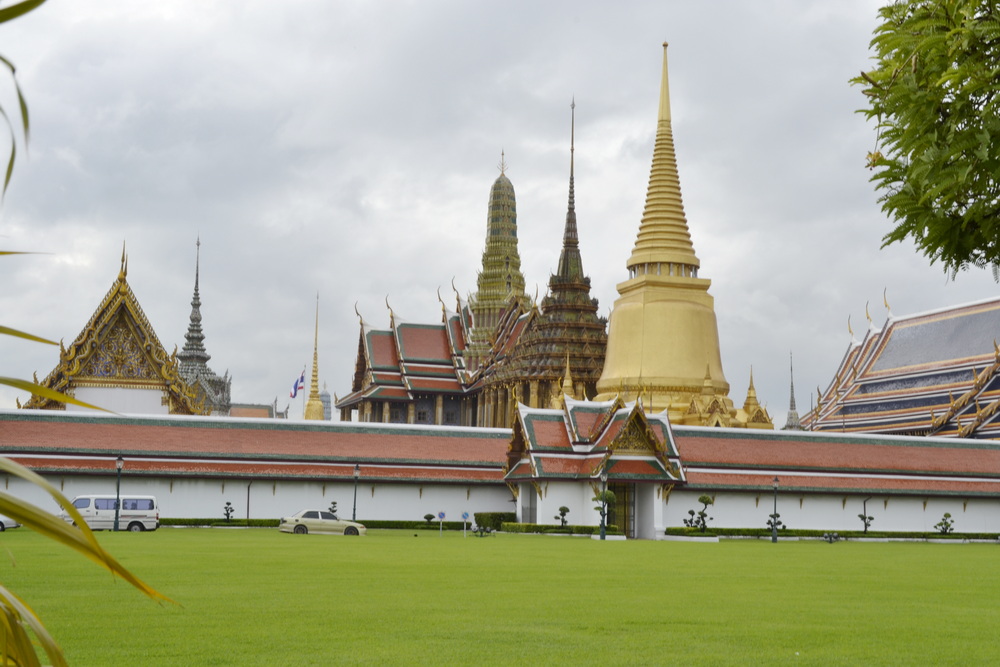
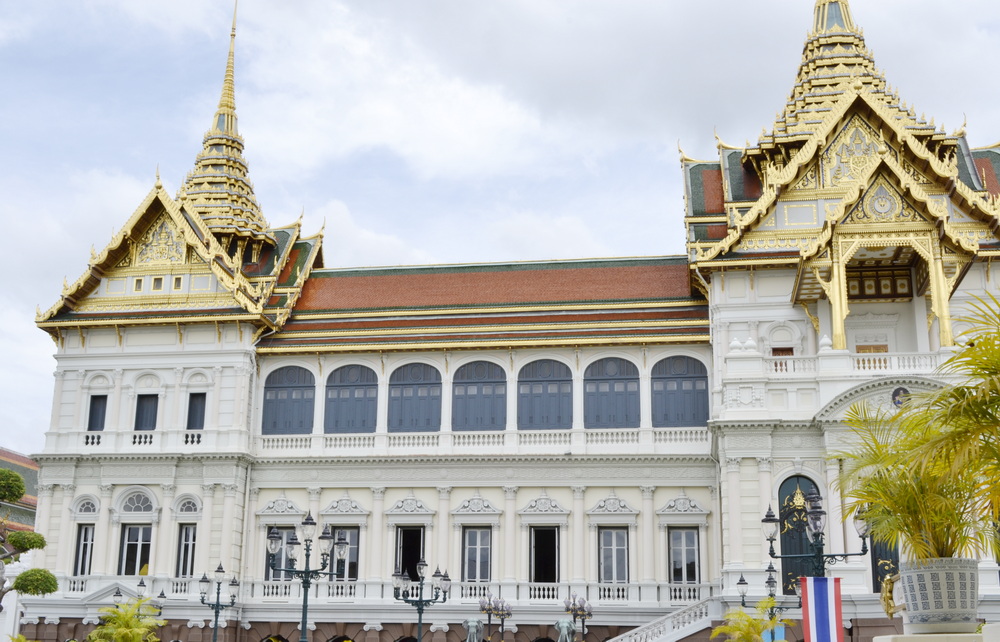
• The Grand Palace & Wat Phra Kaew: The former royal residence and spiritual heart of Thailand. Within its grounds lies the Temple of the Emerald Buddha (Wat Phra Kaew), one of the most sacred Buddhist sites. /Map
• Wat Arun (Temple of Dawn): Located on the west bank of the Chao Phraya River, this temple is especially breathtaking at sunset when its porcelain spires glow.
• Wat Pho: Famous for its massive Reclining Buddha and as the birthplace of traditional Thai massage.
• Jim Thompson House: A museum showcasing traditional Thai architecture and the fascinating story of the American businessman who revived Thai silk.
• Lumphini Park: A green oasis in the city center, perfect for a morning stroll or picnic.
• Chinatown (Yaowarat Road): A bustling district with neon-lit streets, gold shops, and some of the city’s best street food.
For those who want to escape the bustle, a short boat ride to Bang Krachao, the city’s “Green Lung,” offers cycling paths and lush greenery.

2. Local Culture & Traditions

Bangkok reflects Thailand’s deep-rooted traditions shaped by Buddhism, monarchy, and cultural diversity.
• History: Founded in 1782 by King Rama I, Bangkok has served as the nation’s capital for over two centuries. Its cultural heritage is evident in grand palaces, temples, and museums.
• Festivals:
Songkran (Thai New Year, April) – Famous for its water fights and temple rituals.
Loy Krathong (November)—Visitors float decorated baskets on rivers to honor the water goddess.
Chinese New Year in Chinatown – A dazzling celebration with dragon dances and fireworks.• Spirituality: Over 90% of Thai people are Buddhist, and visitors often witness locals offering food and flowers to monks during their morning alms walks.
Engaging with Thai culture means respecting customs—such as removing shoes before entering temples, dressing modestly, and showing respect to images of the King.

3. Food & Dining

Bangkok is a culinary paradise, offering flavors from fiery street stalls to world-class restaurants.Street Food: Bangkok’s streets are lined with vendors serving pad Thai, mango sticky rice, Som tam (papaya salad), grilled satay, and boat noodles. Chinatown is the ultimate destination for nighttime street food feasts.
• Traditional Dishes:
-Tom Yum Goong: Spicy shrimp soup.
-Green Curry: A creamy and aromatic dish.
-Massaman Curry: Influenced by Persian cuisine, mild and flavorful.

• Dining Recommendations:
-Jay Fai: Michelin-starred street food known for crab omelets.
-Vertigo & Moon Bar: Rooftop dining with stunning skyline views.
Don’t miss Bangkok’s floating markets (like Damnoen Saduak and Amphawa, just outside the city) for a taste of traditional Thai food culture.

4. Activities & Experiences

From serene boat rides to thrilling nightlife, Bangkok has something for everyone.
• River Cruises: A Chao Phraya River cruise at night offers panoramic views of illuminated temples and bridges.

• Adventure & Family Fun:
Safari World: Bangkok’s popular zoo and safari park.
Dream World: A family-friendly amusement park.

Muay Thai shows: Witness Thailand’s national sport at Rajadamnern Stadium.

• Nightlife:
Khao San Road: A backpacker’s hub full of bars and live music.
 Sukhumvit: Home to stylish rooftop bars and nightclubs.

 Asiatique The Riverfront: A mix of shopping, dining, and entertainment by the river.

• Day Trips: Ayutthaya Historical Park, the ancient capital of Siam, is only 1.5 hours away.

5. Practical Information

• Opening Hours: Temples usually open from 8:00 AM to 6:00 PM. Shopping malls run from 10:00 AM to 10:00 PM.
• Ticket Prices:
Grand Palace – 500 THB (approx. $14).
Wat Pho – 200 THB (approx. $6).
River boat rides—from 20 THB (less than $1).

• Best Time to Visit: November to February is the cool season, ideal for sightseeing. March to May is hot, while June to October is rainy but less crowded.
• Duration: Tourists should plan 3–5 days in Bangkok to explore highlights and enjoy the culture.

6. Transportation & Accessibility

Bangkok is a major travel hub and easy to reach:

• By Air: Two airports—Suvarnabhumi International Airport (BKK) and Don Mueang International Airport (DMK)—connect Bangkok to global destinations.
• By Train: The new Krung Thep Aphiwat Central Terminal links Bangkok to other Thai cities.
• By Bus & Car: Numerous bus routes and highways connect Bangkok with northern and southern Thailand.

Getting Around the City:
  The BTS Skytrain and MRT Subway are fast and air-conditioned. List of rapid transit stations in Bangkok

• Taxis & Grab App: Convenient, but ensure meters are used.
• Tuk-tuks: Fun, but negotiate prices beforehand.
• Boats & Ferries: A scenic way to move along the Chao Phraya River.

7. Accommodation Options

Bangkok offers a wide range of stays for all budgets.
• Luxury Hotels:
-Mandarin Oriental Bangkok
-The Siam Hotel
-Banyan Tree Bangkok
• Boutique Hotels:
-Ariyasom Villa
-Hotel Muse Bangkok

8. Shopping & Souvenirs

Bangkok is a shopper’s dream:
• Markets:
Chatuchak Weekend Market: One of the world’s largest markets with over 15,000 stalls.
-Pratunam Market: Wholesale fashion paradise.
-Floating Markets: For local handicrafts and foods.

  • Shopping Malls:
    -Siam Paragon and CentralWorld: Luxury and international brands.
    -MBK Center: Affordable electronics and souvenirs.
    -Souvenirs: Thai silk, spa products, handmade jewelry, coconut oil, and traditional snacks are among the most popular gifts.

9. Safety & Travel Tips

  • Health Precautions: Stay hydrated, use sunscreen, and carry mosquito repellent.
    Scams to Avoid: Beware of drivers offering “free tours” or shops pushing overpriced gems.
    Emergency Contacts:
    Tourist Police: 1155
    General Emergency: 191
  • Cultural Etiquette:
    Dress modestly at temples.
    Avoid touching people’s heads—it’s considered disrespectful.
    Wai (pressing palms together) is a polite way to greet.
    Bangkok is generally safe, but like any big city, travelers should remain cautious of pickpockets in crowded areas.

10. Photography & Scenic Spots

Bangkok is a photographer’s paradise with endless Instagram-worthy spots.
• Skyline Views: Rooftop bars like Sky Bar at Lebua State Tower.
• Temples: The golden spires of Wat Arun and the intricate murals at Wat Phra Kaew.
• Street Scenes: Colorful markets in Chinatown and floating markets on the canals.
• Parks & River Views: Benjakitti Park’s lake and the Chao Phraya River at sunset.
Conclusion: Why Bangkok Should Be on Your Bucket List
Bangkok is more than just a city—it’s an experience. From sacred temples and royal palaces to sizzling street food and buzzing nightlife, it offers something for every traveler. The city’s charm lies in its contrasts: old traditions blend with modern innovation, creating a destination that is both timeless and exciting. Whether you come for three days or three weeks, Bangkok will capture your heart and leave you wanting more.
So pack your bags, bring your appetite, and get ready to explore one of the world’s most captivating cities.

Ayutthaya_Wat Phra Si Sanphet

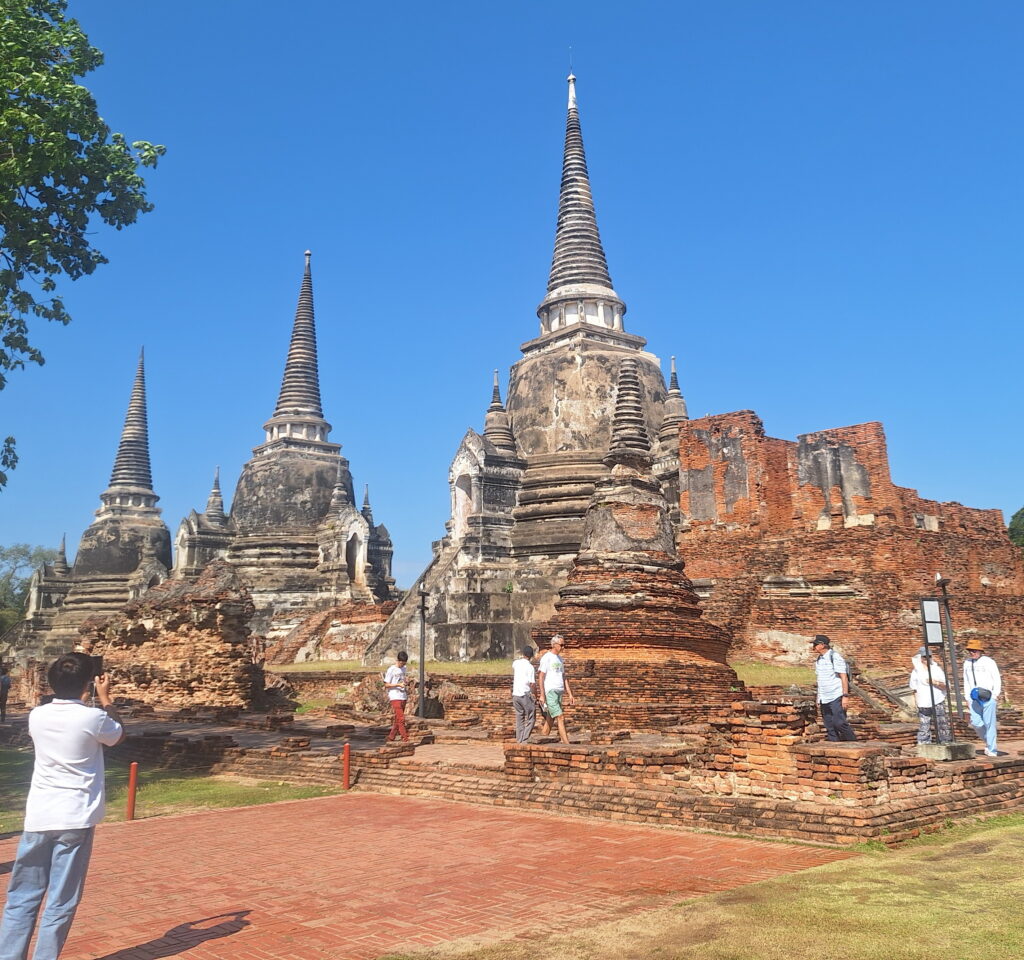
Wat Phra Si Sanphet
Wat Phra Si Sanphet
Wat Phra Si Sanphet
Wat Phra Si Sanphet
Wat Phra Si Sanphet
Wat Phra Si Sanphet

Discovering Wat Phra Si Sanphet: Ayutthaya's Crown Jewel

Wat Phra Si Sanphet, the largest temple in ancient Ayutthaya, stands as a testament to Thailand’s rich history. This majestic site, with its iconic three chedis, beckons travelers from Bangkok and beyond.

Why to Go

Explore the ruins of this former royal temple to immerse yourself in Thailand’s golden age. The site offers a glimpse into Ayutthaya’s past grandeur and spiritual significance.

When to Visit

The best time to visit is from November to February, when the weather is cooler and drier. Avoid the rainy season (June to October) for a more comfortable experience.

Historical Significance

Built in the 15th century, Wat Phra Si Sanphet served as a royal chapel within the grounds of the Grand Palace. It housed a 16-meter-high Buddha image covered in 250 kilograms of gold until the Burmese invasion in 1767.

Language and communication

Major tourist sites speak English, but learning a few Thai phrases can enhance your experience. “Sawasdee” (hello) and “Khob khun” (thank you) go a long way.

Weather

Ayutthaya experiences a tropical climate. Expect temperatures between 25-35°C year-round, with higher humidity during the rainy season.

Festivals & Events

Visit during the Ayutthaya World Heritage Fair in December to witness light and sound shows that bring history to life.

Getting There

From Bangkok, take a 1.5-hour train from Krung Thep Aphiwat Central Terminal. or a minivan from Victory Monument. Alternatively, join a guided tour for convenience.

Sights & Activities

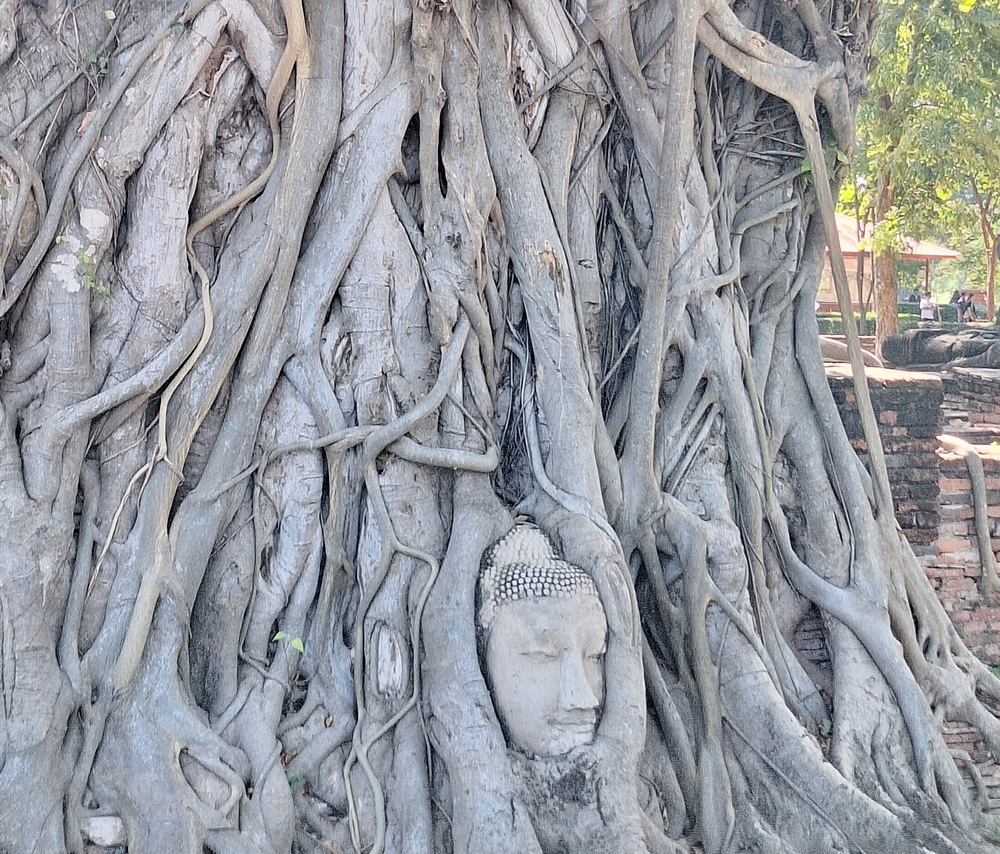
Explore the three main chedis, remnants of the royal hall, and nearby Wat Mahathat’s famous Buddha head entwined in tree roots.

Foods and accommodations

Sample local dishes like boat noodles near the temple. For accommodations, choose from riverside guesthouses to luxury hotels in Ayutthaya city, just a short tuk-tuk ride away.Remember to dress respectfully, stay hydrated, and soak in the spiritual atmosphere of this UNESCO World Heritage site.

Here's a detailed 1-night, 2-day tour program centered around Wat Phra Si Sanphet in Ayutthaya, Thailand:

Day 1: Bangkok to Ayutthaya – A Journey Through Time

Morning: Departure and Bang Pa-In Palace

  • 07:00 AM: Depart from Bangkok
  • 09:00 AM: Arrive at Bang Pa-In Palace
    • Explore the stunning summer palace of Thai kings
    • Admire the blend of Thai, Chinese, and European architectural styles

Late Morning: Ancient Temples of Ayutthaya

  • 11:00 AM: Visit Wat Phra Mahathat
    • See the famous Buddha head entwined in tree roots
  • 12:00 PM: Explore Wat Ratchaburana
    • Climb the prang (tower) for a panoramic view
  • 01:00 PM: Lunch at a local restaurant
    • Try Ayutthaya’s famous giant river prawns 

Afternoon: More Temple Wonders

  • 02:30 PM: Visit Wat Phanan Choeng
    • Marvel at the 19-meter-high seated Buddha image
  • 04:00 PM: Explore Wat Yai Chaimongkon
    • See the large reclining Buddha and climb the chedi
  • 05:30 PM: Sunset at Wat Chaiwatthanaram
    • Capture stunning photos of the temple silhouette against the setting sun 

Evening: Local Lifestyle Experience

  • 07:00 PM: Check-in at a hotel or resort in Ayutthaya
  • 08:00 PM: Evening walk or boat ride along the Chao Phraya River
    • Experience the local nightlife and see illuminated temples


Day 2: Ayutthaya’s Crown Jewels and Local Flavors

Morning: Ayutthaya’s Most Iconic Temples

Noon: Local Culinary Delight

  • 12:30 PM: Enjoy “Boat Noodles” for lunch
    • Savor this local specialty at a famous boat noodle restaurant

Afternoon: History and Culture

  • 02:00 PM: Visit Chao Sam Phraya National Museum
    • View priceless artifacts from Ayutthaya’s golden age
  • 03:30 PM: Explore the Portuguese Settlement
    • Learn about the European influence in ancient Ayutthaya 

Evening: Return to Bangkok

  • 05:00 PM: Depart from Ayutthaya
  • 07:00 PM: Arrive in Bangkok 

Tour Highlights:

  • Explore 9 significant temples and historical sites
  • Experience the local lifestyle of Ayutthaya
  • Enjoy authentic Thai cuisine, including the famous boat noodles
  • Learn about the rich history of the ancient capital of Siam

Tips for Travelers:

  • Wear comfortable walking shoes and modest clothing for temple visits
  • Bring sunscreen, a hat, and plenty of water
  • Don’t forget your camera to capture the stunning architecture and landscapes
  • Respect local customs and temple etiquette

This tour offers a perfect blend of history, culture, and local experiences, showcasing the best of Ayutthaya, Thailand’s ancient capital, with Wat Phra Si Sanphet as a centerpiece of your journey.

Ayutthaya_Wat Mahathat

Wat Mahathat_ Ayutthaya

Why visit Wat Mahathat?

Wat Mahathat is one of Ayutthaya’s most photographed and visited temples, famous for the Buddha head entwined in tree roots. These iconic temple ruins showcase the grandeur of the ancient Ayutthaya kingdom. Its central location in the historical park makes it a must-visit attraction, especially for history enthusiasts and photographers.

The best time to visit

  • October to February: Ideal months with cooler temperatures (25-32°C)
  • Early morning (8:00-10:00) or late afternoon (3:00-5:00): Best times for photography and avoiding crowds
  •  Avoid April-May: an extremely hot season in Thailand.

Historical Significance

  • Built in the 14th century during the Ayutthaya Kingdom
  • Served as the royal monastery and the kingdom’s spiritual center
  • Houses important Buddha relics.
  • Destroyed by the Burmese army in 1767
  • In the 1950s, researchers discovered the famous Buddha head in tree roots.

Language Tips

  • Basic Thai phrases welcomed by locals:
    • Hello: Sawadee ka/krap
    • Thank you: Khob khun ka/krap
    • How much?: Tao rai? 

Weather Considerations

  • Rainy season: June-October (bring an umbrella)
  • Cool season: November-February
  • Hot season: March-May
  • Always carry water and wear sun protection.

Notable Festivals

  • Loy Krathong (November): Traditional festival with floating baskets
  • Ayutthaya World Heritage Fair (December)
  • Songkran Festival (April 13-15): Traditional Thai New Year 

Getting There

From Bangkok Airports:

  • From Don Mueang: 1 hour by taxi (800-1000 baht)
  • From Suvarnabhumi: 1.5 hours by taxi (1000-1200 baht)
  • By minivan: From Victory Monument (1.5 hours, 700-1,000 baht)

Sights & Activities

  • Famous Buddha head in tree roots
  • Ancient prangs (towers) and chedis
  • Meditation areas
  • Photography opportunities
  • Historical guided tours are available.
  • Rental bicycles for park exploration

Local Food Options

  • Nearby local restaurants serving Thai cuisine.
  • Street food vendors around the historical park
  • Famous local dessert: Roti Sai Mai
  • Traditional boat noodles
  • Fresh coconut drinks

Accommodation Recommendations

  • Nearby options:
    • Budget: guesthouses (500–1000 baht/night)
    • Mid-range: boutique hotels (1500–3000 baht/night)
    • Luxury: Resort-style hotels (3500+ baht/night)
  • Most accommodations are within 1-2 km of the temple.

Essential Tips

  • Entry fee: 50 baht
  • Opening hours: 8:00 AM-5:00 PM daily.
  • Dress code: Modest clothing (cover shoulders and knees)
  • Wear comfortable walking shoes.
  • Bring water and sun protection.
  • Hire a licensed guide for historical insights.
  • Download offline maps
  • Combine the visit with other nearby temples.

Remember to respect the sacred site and follow local customs while visiting this historical landmark. The site provides a unique glimpse into Thailand’s rich cultural heritage and architectural magnificence.

Ayutthaya 2-Day, 1-Night Tour

Experience the rich history and culture of Ayutthaya with this carefully crafted 2-day, 1-night itinerary. This tour is designed to showcase the best of Ayutthaya.

Day 1: Bangkok to Ayutthaya

Morning: Departure and Royal Grandeur

  • 07:00: Depart from Bangkok.
  • 09:00 Arrive at Bang Pa-In Palace
    • Explore the summer palace’s stunning architecture and manicured gardens.
  • 10:30 Wat Mahathat
    • Witness the iconic Buddha head entwined in tree roots.
  • 11:30 Wat Ratchaburana.
    • Discover the ancient prang and crypts with mural paintings.
  • At 12:30, Wat Phanan Choeng
    • Admire the massive seated Buddha image.

Afternoon: Majestic Temples

  • 13:30 Lunch at a local restaurant (try Ayutthaya’s famous giant river prawns)
  • 14:30 Wat Yai Chaimongkol
    • See the large reclining Buddha and climb the chedi for panoramic views.
  • 16:00 Wat Chaiwatthanaram
    • Explore this picturesque riverside temple at sunset.

Evening: Local Immersion

  • 18:00 Check-in at a hotel or resort in Ayutthaya
  • Free time to explore the local night market or enjoy dinner at a riverside restaurant


Day 2: Ayutthaya Exploration and Return

Morning: Historical Wonders

  • 08:00 Breakfast at the hotel
  • 09:00 Viharn Phra Mongkol Bopit
    • View the large bronze Buddha image.
  • 10:00 Wat Phra Si Sanphet
    • Explore the most important temple of Ayutthaya’s Grand Palace.

Noon: Local Flavors

  • 12:00 Enjoy “Boat Noodles” at a famous local eatery.

Afternoon: Cultural Insights

  • 13:30 Chao Sam Phraya National Museum
    • Discover artifacts and treasures from Ayutthaya’s golden age.
  • 15:00 Portuguese Settlement
    • Learn about the European influence in ancient Ayutthaya.
  •  16:00: Depart for Bangkok.

Tour Highlights:

  • Comprehensive exploration of Ayutthaya’s UNESCO World Heritage sites
  • A balanced mix of temple visits and cultural experiences
  • Opportunity to taste authentic Ayutthaya cuisine
  •  A comfortable overnight stay to fully immerse in the local atmosphere.

Remember to wear comfortable walking shoes, dress modestly for temple visits, and bring sun protection. This tour offers a perfect blend of history, culture, and local experiences, allowing you to fully appreciate the ancient capital of Ayutthaya.

Wat Mahathat_ Ayutthaya (6)

Damnoen Saduak Floating Market and Maeklong Railway Market.

Damnoen Saduak Floating Market and the Maeklong Railway Market

Exploring Damnoen Saduak Floating Market and Maeklong Railway Market.

Why to Visit

These two unique markets offer authentic Thai experiences. Damnoen Saduak, Thailand’s most famous floating market, showcases traditional waterway commerce, while Maeklong Railway Market thrills visitors with its remarkable transformation as trains pass through.

When to Go

  • Best visiting time: Early morning (6:00-10:00 AM)
  • Peak season: November-February (cool season)
  • Maeklong Railway Market train schedule: 8 daily passages
  • Damnoen Saduak is busiest on weekends
  • Weekday visits are recommended for fewer tourists.

History

  • Damnoen Saduak: Established in 1866 during King Rama IV’s reign
  • Maeklong Railway Market: Operating since 1905
  • Both markets represent traditional Thai trading culture

Language

  • Thai is primary language
  • Basic English is widely understood by vendors.
  • Key phrases provided by tour guides
  • Hand gestures work well for bargaining

Weather

  • Hot season (March-May): 32-38°C
  • Rainy season (June-October): Occasional showers
  • Cool season (November-February): 25-30°C
  • Morning visits recommended to avoid heat

How to Get There

From Bangkok:

  • Organized tours (most convenient)
  • A public minivan from the Victory Monument.
  • Private taxi (2-hour drive)
  • Combined visits are possible in one day.

Sights & Activities

Damnoen Saduak:

  • Boat rides through canals
  • Photography opportunities
  • Local craft demonstrations
  • Souvenir shopping
  • Cultural performances

Maeklong Railway Market:

  • Watch market transformation during train passes
  • Local life observation
  • Photo opportunities
  • Fresh market exploration

Food Highlights

Damnoen Saduak:

  • Fresh tropical fruits
  • Boat noodles
  • Grilled seafood
  • Traditional Thai desserts
  • Fresh coconut drinks

Maeklong Railway Market:

  • Fresh seafood
  • Local vegetables
  • Thai street food
  • Traditional snacks

Accommodations

  • Most visitors stay in Bangkok
  • Nearby options:
    • Amphawa District Hotels
    • Samut Songkhram guesthouses
    • Local homestays
    • Boutique resorts

Travel Tips

  • Bring cash (small bills)
  • Wear comfortable shoes
  • Carry water and sun protection
  • • For convenience, it is best to book guided tours.
  • Bargaining is expected
  • • Photography is allowed, but ask permission.
  • Respect local customs
  • • Morning visits are recommended.

Festivals & Events

  • Loy Krathong (November)
  • Songkran (April)
  • Local temple fairs
  • Seasonal fruit festivals

This combination of markets offers visitors a unique glimpse into Thai culture and traditional commerce. While Damnoen Saduak showcases water-based trading, Maeklong Railway Market demonstrates Thai vendors’ adaptability. Both destinations provide excellent photo opportunities and authentic local experiences, making them must-visit attractions for anyone exploring Thailand’s cultural heritage.

A Day Trip to Damnoen Saduak Floating Market and Maeklong Railway Market

Here’s an exciting itinerary for a day trip from Bangkok to these iconic Thai markets:

5:30 AM: Departure from Bangkok.

  • Start early to beat traffic and arrive at the markets during their most vibrant hours.
  • Book a private driver or join a small group tour for convenience.

7:30 a.m.: Arrive at Damnoen Saduak Floating Market.

  • Take a longtail boat tour through the canals (30 to 45 minutes).
  • Explore the market, sampling local fruits and snacks.
  • Shop for souvenirs and handicrafts.
  • Don’t miss trying boat noodles for an authentic experience.

10:30 a.m.: Depart for Maeklong Railway Market.

  • The drive takes about 40 minutes.

11:15 AM – Explore Maeklong Railway Market

  • Time your visit with train arrivals (usually around 11:10 AM and 11:30 AM).
  • Watch vendors quickly clear their goods and put up awnings as the train passes.
  • Shop for local produce and seafood.
  • Capture unique photos of this extraordinary market.

1:00 PM: Lunch at a local restaurant.

  • Try som tam (papaya salad) and grilled seafood.

2:30 PM: Visit the Amphawa area.

  • Explore the charming canals and traditional wooden houses.
  • Visit Wat Bang Kung, a historic temple entwined in a banyan tree.

4:30 PM: Depart for Bangkok.

  • Relax and reflect on your day’s adventures during the return journey.

6:30 p.m.: Arrive back in Bangkok.

Remember to wear comfortable shoes, bring sun protection, and stay hydrated. This itinerary offers a perfect blend of Thailand’s unique market experiences, local cuisine, and cultural insights, making for an unforgettable day trip from Bangkok.

James Bond Island by Longtail Boat

Morning:

Begin your journey at Wat Suwankuha, also known as the “Cave Temple.” This hidden gem in Phang Nga province features a 15-meter reclining Buddha statue nestled within a limestone cave. Explore the caverns adorned with stalactites and stalagmites, and encounter the playful monkeys in the area. Don’t miss the smaller Buddha images and the serene atmosphere of this unique temple complex. Next, head to Surakul Pier, the launching point for your Phang Nga Bay adventure. Here, board a traditional long-tail boat, an iconic Thai vessel perfect for navigating the shallow waters and narrow passages of the bay. As you cruise through the emerald waters, marvel at the towering limestone karsts that dot the seascape, creating a mesmerizing natural gallery.

Afternoon:

Your first stop is Koh Panyi (Panyi Island), a fascinating Muslim fishing village built entirely on stilts over the water. Wander through the wooden walkways, visit the floating mosque, and savor a delicious seafood lunch at a local restaurant. Take time to browse the souvenir shops for unique handmade crafts. Continue your journey to Koh Thalu Ok, a small island featuring a natural stone arch. This picturesque spot offers excellent photo opportunities and a chance for a quick swim in the crystal-clear waters. The highlight of your trip is a visit to the famous James Bond Island (Koh Tapu), featured in the 1974 film “The Man with the Golden Gun.” Admire the iconic 20-meter-tall islet jutting vertically out of the emerald-green water. Explore nearby Koh Ping Ghan with its hidden caves and quiet beaches. As the day winds down, your long-tail boat will take you back to Surakul Pier, offering a final chance to soak in the breathtaking beauty of Phang Nga Bay. This one-day adventure showcases the best of the region, from cultural sites to natural wonders, providing unforgettable memories of Thailand’s stunning Andaman coast.

When should tourists travel?

Tourists should plan their trip to Phang Nga Bay and the surrounding areas with careful consideration of the seasonal weather patterns. Here’s a breakdown of the best times to visit:

High Season (November to April)

This is generally considered the best time to visit Phang Nga Bay:

  • Weather: Dry and sunny with lower humidity
  • Sea conditions: Calm waters, perfect for boat trips
  • Visibility: Excellent for snorkeling and diving
  • Crowds: Busier, especially during December and January
  • Prices: Higher due to peak tourist season

Shoulder Season (May and October)

These months can offer a good balance:

  • Weather: Occasional rain showers, but still plenty of sunny days
  • Sea conditions: Generally good, but can be unpredictable
  • Crowds: Fewer tourists than in high season
  • Prices: More affordable than peak season

Low Season (June to September)

While this is the monsoon season, it can still be an option for budget-conscious travelers:

  • Weather: Higher chance of rain and occasional storms
  • Sea conditions: Can be rough; some boat tours may be canceled.
  • Crowds: Least busy, more authentic local experience
  • Prices: Lowest of the year, great deals on accommodations

Best Time to Visit

Plan your trip between November and April for the optimal experience in Phang Nga Bay. This ensures the best weather for outdoor activities and boat tours. However, if you don’t mind occasional rain and prefer fewer crowds, May and October can be excellent alternatives. Remember, showers are often short-lived even during the rainy season, and you can still enjoy many activities. Always check local weather forecasts and tour operator recommendations when planning your trip.


Explore ancient ruins, vibrant street markets, scenic Mekong River views, and delightful cuisine in historic Chiang Saen District.

Wat Pa Sak

Wat Pa Sak

Wat Pa Sak

Overview of Chiang Saen District, Chiang Rai Province

Chiang Saen District, located in the scenic Chiang Rai Province of northern Thailand, is a treasure trove of history, culture, and natural beauty. This charming district, nestled along the Mekong River, offers a plethora of activities for travelers of all kinds. From exploring ancient ruins and temples to enjoying fresh seafood and vibrant street food, Chiang Saen provides a rich tapestry of experiences that cater to every type of visitor.

History of Chiang Saen District

Chiang Saen District has a storied past that dates back to the 7th century. It was once a significant center of the Lanna Kingdom and served as an important trade hub due to its strategic location along the Mekong River. The town’s historical significance is evident in its numerous ancient ruins and temples, which provide a glimpse into its glorious past.

Major Attractions in Chiang Saen District

Chiang Saen is home to several major attractions that highlight its historical and cultural heritage. Wat Phra That Chedi Luang is a must-visit site, boasting an impressive chedi that dates back to the 14th century. The Chiang Saen National Museum offers insightful exhibits on the region’s history and culture. The ancient ruins of Wat Pa Sak and Wat Phra That Pha Ngao are also popular spots for history enthusiasts.

Cultural Attractions

Cultural attractions in Chiang Saen include traditional markets, local festivals, and artisanal workshops. The Chiang Saen Walking Street is a vibrant market where visitors can immerse themselves in the local culture, sample delicious street food, and buy handcrafted souvenirs. The Songkran Festival and Loi Krathong Festival are significant cultural events celebrated with great enthusiasm in the district.

Activities in Chiang Saen District

Visitors can indulge in a variety of activities in Chiang Saen. Boat tours along the Mekong River offer stunning views and a unique perspective of the region. Adventure seekers can enjoy biking tours through scenic routes, while those looking for relaxation can opt for serene temple visits and spa treatments.

Food in Chiang Saen

Chiang Saen is a haven for food lovers. The district offers a diverse culinary scene, including fresh seafood, vibrant street food stalls, and international restaurants. Don’t miss trying local dishes like khao soi, a creamy curry noodle soup, and sai ua, a flavorful northern Thai sausage.

Local Souvenirs

Visitors can take home a piece of Chiang Saen with local souvenirs such as handcrafted textiles, silverware, and traditional Thai umbrellas. The local markets are the best places to find these unique items.

Getting There

Chiang Saen is easily accessible from Bangkok by car, van, or bus. The nearest airport is in Chiang Rai, which offers regular flights from Bangkok. From Chiang Rai, Chiang Saen is just a short drive away, making it a convenient destination for travelers.

Accommodation

Accommodation options in Chiang Saen range from luxury hotels and resorts to budget-friendly guesthouses. Whether you’re looking for a lavish stay or a cozy, affordable option, Chiang Saen has something to suit your needs.

Activities for Different Types of Travelers

  • Groups: Enjoy the local nightlife and exciting water activities along the Mekong River.
  • Couples: Dine at romantic restaurants with stunning river views and explore beautiful temples together.
  • Families: Visit child-friendly attractions like water parks and interactive museums.
  • Senior Citizens: Explore serene temples and cultural attractions at a leisurely pace.

Best Time to Visit and Festivals

The best time to visit Chiang Saen is during the cooler months from November to February. This period offers pleasant weather, perfect for exploring outdoor attractions. Major festivals like the Songkran Festival (Thai New Year) in April and the Loi Krathong Festival in November are excellent times to experience the local culture.

Travel Tips

  • Dress modestly when visiting temples.
  • Carry cash, as some local markets and small businesses may not accept credit cards.
  • Respect local customs and traditions.
  • Hire a local guide to enrich your experience with historical and cultural insights.

Invitation to International Travelers

Chiang Saen District is a hidden gem waiting to be explored by international travelers. Its blend of history, culture, and natural beauty offers an unforgettable experience. From the ancient ruins to the vibrant street markets, there’s something for everyone in this charming district. Whether you’re a history buff, a foodie, or an adventure seeker, Chiang Saen promises a journey filled with discovery and delight. Plan your trip today and uncover the wonders of Chiang Saen, Chiang Rai Province!

By focusing on historical sites, cultural festivals, and culinary delights, Chiang Saen is positioned as an enticing destination for travelers seeking an authentic Thai experience.

Pattaya: A Diverse and Vibrant Resort City


Pattaya


Pattaya

Overview: Pattaya, located southeast of Bangkok, is a bustling resort city renowned for its stunning beaches, vibrant nightlife, and plethora of activities. Originally a quaint fishing village, Pattaya gained popularity during the Vietnam War when American soldiers sought relaxation there. Today, it has transformed into a top tourist destination, offering something for everyone.

(more…)

Ayutthaya_Wat Chaiwatthanaram

Detailed 2-night, 3-day travel itinerary for Bangkok and Ayutthaya

Day 1: Bangkok’s Grand Palace and Iconic Temples

Morning: Wat Phra Kaew and Grand Palace

  • Start your day early at the Grand Palace complex, home to Wat Phra Kaew (Temple of the Emerald Buddha).
  • Explore the stunning architecture and intricate details of Thailand’s most sacred temple.
  • Marvel at the famous Emerald Buddha statue, carved from a single block of jade.

Afternoon: Wat Pho

  • After lunch, walk to nearby Wat Pho, home of the Reclining Buddha.
  • Admire the massive 46-meter-long golden Buddha statue.
  • Explore the temple grounds, known for traditional Thai massage and medicine.

Evening: Wat Arun

  • Take a short boat ride across the Chao Phraya River to Wat Arun (Temple of Dawn).
  • Climb the central prang for panoramic views of Bangkok at sunset.
  • Enjoy dinner at a riverside restaurant with views of illuminated Wat Arun.

Day 2: Damnoen Saduak Floating Market and Ayutthaya

Early Morning: Damnoen Saduak Floating Market

  • Take an early morning trip (about 1.5 hours from Bangkok) to Damnoen Saduak Floating Market.
  • Experience the vibrant atmosphere of Thailand’s most famous floating market.
  • Sample local delicacies and shop for souvenirs from boat vendors.

Afternoon: Ayutthaya – Wat Mahathat

  • Drive to Ayutthaya (about 1.5 hours from Damnoen Saduak).
  • Explore Wat Mahathat, famous for the Buddha head entwined in tree roots.
  • Learn about the history of the former capital of Siam.

Evening: Ayutthaya – Wat Chaiwatthanaram

  • Visit Wat Chaiwatthanaram, one of Ayutthaya’s most impressive temples.
  • Witness the stunning sunset over the temple’s Khmer-style prangs.
  • Overnight in Ayutthaya to fully immerse in the historical atmosphere.

Day 3: More of Ayutthaya and Return to Bangkok

Morning: Ayutthaya Historical Park

  • Explore more of Ayutthaya Historical Park.
  • Visit other notable temples and ruins not covered on Day 2.
  • Consider renting a bicycle for a unique way to see the sites.

Afternoon: Return to Bangkok

  • Head back to Bangkok (about 1.5 hours drive).
  • Use remaining time for last-minute shopping or relaxation.

Evening: Farewell Dinner

  • Enjoy a farewell dinner at a rooftop restaurant in Bangkok, reflecting on your journey through Thailand’s past and present.

This itinerary offers a comprehensive experience of Bangkok’s most revered temples, the unique charm of Damnoen Saduak Floating Market, and the historical wonders of Ayutthaya. It’s a perfect blend of spiritual, cultural, and historical attractions that showcase the best of central Thailand.


Ayutthaya, Wat Chaiwatthanaram.

What to see at Wat Chaiwatthanaram?

Wat Chaiwatthanaram is a stunning temple located in the historical city of Ayutthaya, Thailand. Built in the 17th century by King Prasat Thong, the temple is one of the most significant examples of Thai architecture and art from the Ayutthaya period. It is situated on the west bank of the Chao Phraya River, and it is surrounded by beautiful gardens and water features.

(more…)

Kanchanaburi-Kanchanaburi War Cemetery, Don Rak

1-night, 2-day trip to Kanchanaburi

This itinerary will cover the key attractions, providing a meaningful and educational experience for visitors interested in this significant period of history.

Day 1: Arrival and Historical Exploration

Morning: Arrival in Kanchanaburi

  • Arrive in Kanchanaburi (about 2.5-3 hours drive from Bangkok)
  • Check-in at a riverside hotel for an authentic experience

Afternoon: The Bridge on the River Kwai

  • Visit the iconic Bridge on the River Kwai
  • Take a walk across the bridge and capture stunning photos
  • Learn about its history and significance during WWII

Evening: Local Experience

  • Enjoy a traditional Thai dinner at a riverside restaurant
  • Optional: Take a relaxing evening boat ride along the River Kwai


Day 2: Delving Deeper into History

Morning: JEATH War Museum

  • Start early with a visit to the JEATH War Museum
  • Explore the recreated bamboo huts and wartime artifacts
  • Gain insights into the lives of prisoners of war

Late Morning: Kanchanaburi War Cemetery (Don Rak)

  • Pay respects at the Kanchanaburi War Cemetery, also known as Don Rak
  • Walk through the beautifully maintained grounds
  • Read the touching inscriptions on the gravestones

Afternoon: Additional Historical Sites (Time Permitting)

  • Visit the Thailand-Burma Railway Centre for a comprehensive overview
  • Explore Hellfire Pass Memorial Museum if time allows

Evening: Departure

  • Depart for Bangkok or your next destination


Travel Tips:

  1. Wear comfortable walking shoes and respectful attire, especially for the cemetery visit.
  2. Bring a hat, sunscreen, and plenty of water as Kanchanaburi can be quite hot.
  3. Consider hiring a local guide for more in-depth historical information.
  4. Be respectful when taking photos, especially at the cemetery and museums.

This itinerary offers a balanced mix of historical exploration and local experiences, allowing visitors to gain a deep understanding of Kanchanaburi’s WWII history while also enjoying the natural beauty of the area. The sequence of visits is designed to tell the story of the Thailand-Burma Railway chronologically, providing a meaningful and educational journey through this significant period in history.


Kanchanaburi War Cemetery, Don Rak

What to see at Kanchanaburi War Cemetery?

The Kanchanaburi War Cemetery is a site of great historical significance, located in the Kanchanaburi province of Thailand. The cemetery serves as a solemn reminder of the sacrifices made by Allied prisoners of war during World War II.

(more…)

Kanchanaburi-JEATH War Museum

1-night, 2-day trip to Kanchanaburi

This itinerary will cover the key attractions, providing a meaningful and educational experience for visitors interested in this significant period of history.

Day 1: Arrival and Historical Exploration

Morning: Arrival in Kanchanaburi

  • Arrive in Kanchanaburi (about 2.5-3 hours drive from Bangkok)
  • Check-in at a riverside hotel for an authentic experience

Afternoon: The Bridge on the River Kwai

  • Visit the iconic Bridge on the River Kwai
  • Take a walk across the bridge and capture stunning photos
  • Learn about its history and significance during WWII

Evening: Local Experience

  • Enjoy a traditional Thai dinner at a riverside restaurant
  • Optional: Take a relaxing evening boat ride along the River Kwai


Day 2: Delving Deeper into History

Morning: JEATH War Museum

  • Start early with a visit to the JEATH War Museum
  • Explore the recreated bamboo huts and wartime artifacts
  • Gain insights into the lives of prisoners of war

Late Morning: Kanchanaburi War Cemetery (Don Rak)

  • Pay respects at the Kanchanaburi War Cemetery, also known as Don Rak
  • Walk through the beautifully maintained grounds
  • Read the touching inscriptions on the gravestones

Afternoon: Additional Historical Sites (Time Permitting)

  • Visit the Thailand-Burma Railway Centre for a comprehensive overview
  • Explore Hellfire Pass Memorial Museum if time allows

Evening: Departure

  • Depart for Bangkok or your next destination


Travel Tips:

  1. Wear comfortable walking shoes and respectful attire, especially for the cemetery visit.
  2. Bring a hat, sunscreen, and plenty of water as Kanchanaburi can be quite hot.
  3. Consider hiring a local guide for more in-depth historical information.
  4. Be respectful when taking photos, especially at the cemetery and museums.

This itinerary offers a balanced mix of historical exploration and local experiences, allowing visitors to gain a deep understanding of Kanchanaburi’s WWII history while also enjoying the natural beauty of the area. The sequence of visits is designed to tell the story of the Thailand-Burma Railway chronologically, providing a meaningful and educational journey through this significant period in history.


What to see at JEATH War Museum?

JEATH War Museum is located in Kanchanaburi, Thailand and is dedicated to the thousands of Allied prisoners of war who died while building the Burma Railway during World War II. The museum is a poignant reminder of the horrors of war and the sacrifices made by those who fought for their countries.

(more…)

Kanchanaburi_The Bridge on the River Kwai

1-night, 2-day trip to Kanchanaburi

This itinerary will cover the key attractions, providing a meaningful and educational experience for visitors interested in this significant period of history.

Day 1: Arrival and Historical Exploration

Morning: Arrival in Kanchanaburi

  • Arrive in Kanchanaburi (about 2.5–3 hours drive from Bangkok)
  • Check-in at a riverside hotel for an authentic experience

Afternoon: The Bridge on the River Kwai

  • Visit the iconic Bridge on the River Kwai
  • Take a walk across the bridge and capture stunning photos
  • Learn about its history and significance during WWII

Evening: Local Experience

  • Enjoy a traditional Thai dinner at a riverside restaurant
  • Optional: Take a relaxing evening boat ride along the River Kwai


Day 2: Delving Deeper into History

Morning: JEATH War Museum

  • Start early with a visit to the JEATH War Museum
  • Explore the recreated bamboo huts and wartime artifacts
  • Gain insights into the lives of prisoners of war

Late Morning: Kanchanaburi War Cemetery (Don Rak)

  • Pay respects at the Kanchanaburi War Cemetery, also known as Don Rak
  • Walk through the beautifully maintained grounds
  • Read the touching inscriptions on the gravestones

Afternoon: Additional Historical Sites (Time Permitting)

  • Visit the Thailand-Burma Railway Centre for a comprehensive overview
  • Explore Hellfire Pass Memorial Museum if time allows

Evening: Departure

  • Depart for Bangkok or your next destination


Travel Tips:

  1. Wear comfortable walking shoes and respectful attire, especially for the cemetery visit.
  2. Bring a hat, sunscreen, and plenty of water as Kanchanaburi can be quite hot.
  3. Consider hiring a local guide for more in-depth historical information.
  4. Be respectful when taking photos, especially at the cemetery and museums.

This itinerary offers a balanced mix of historical exploration and local experiences, allowing visitors to gain a deep understanding of Kanchanaburi’s WWII history while also enjoying the natural beauty of the area. The sequence of visits is designed to tell the story of the Thailand-Burma Railway chronologically, providing a meaningful and educational journey through this significant period in history.


The Bridge on the River Kwai

What to see at Kanchanaburi?

Kanchanaburi is a province in Thailand known for its rich history and natural beauty. Located just a few hours from Bangkok, it is a popular destination for travelers looking to explore the country’s culture and landscapes. From the famous Bridge on the River Kwai to stunning waterfalls and national parks, there is no shortage of things to see and do in Kanchanaburi.

(more…)

Chiang Rai_Wat Rong Khun

This itinerary will give you a taste of the rich culture, stunning temples, and beautiful nature that Northern Thailand has to offer. 3-night, 4-day travel itinerary for Chiang Mai and Chiang Rai

Day 1: Arrival in Chiang Mai and Old City Temples

Morning:

  • Arrive in Chiang Mai International Airport
  • Check-in to your hotel in the Old City area
  • Visit Wat Chedi Luang, one of Chiang Mai’s most impressive temples

Afternoon:

  • Explore Wat Phra Singh, known for its beautiful Lanna-style architecture
  • Visit Wat Chiang Man, the oldest temple in Chiang Mai

Evening:

  • Enjoy a traditional Khantoke dinner with cultural performances


Day 2: Doi Suthep and Chiang Mai Exploration

Morning:

  • Early visit to Doi Suthep temple for stunning views and fewer crowds
  • Take in the panoramic views of Chiang Mai city

Afternoon:

  • Return to the city for lunch at a local restaurant
  • Free time to explore the Old City, visit markets, or take a cooking class

Evening:

  • Visit the famous Night Bazaar for shopping and dinner

Day 3: Doi Inthanon National Park

Early Morning:

  • Depart for a full-day tour of Doi Inthanon National Park
  • Visit the summit, the highest point in Thailand

Afternoon:

  • Explore the beautiful waterfalls in the park
  • Visit the King and Queen Pagodas

Evening:

  • Return to Chiang Mai
  • Relax at your hotel or enjoy a traditional Thai massage


Day 4: Chiang Rai and Departure

Early Morning:

  • Check out of your Chiang Mai hotel
  • Drive to Chiang Rai (about 3 hours)

Late Morning/Afternoon:

  • Visit Wat Rong Khun (White Temple), a stunning contemporary Buddhist temple
  • Explore the temple grounds and admire its unique architecture

Evening:

  • Return to Chiang Mai for your departure flight


This itinerary covers all the key attractions you mentioned while providing a balanced mix of cultural experiences and natural beauty. Remember to wear appropriate clothing for temple visits (shoulders and knees covered) and comfortable walking shoes for exploring. For the best experience, consider hiring a local guide, especially for the Doi Inthanon trip. They can provide valuable insights into the history and culture of the places you’ll visit. Don’t forget to try local Northern Thai specialties like Khao Soi (curry noodle soup) and Sai Oua (Northern Thai sausage) during your trip!


Wat Rong Khun

What to see at Wat Rong Khun?

Wat Rong Khun, also known as the White Temple, is a unique and visually stunning temple located in Chiang Rai, Thailand. Here are some of the must-see features of Wat Rong Khun:

(more…)

Chiang Mai_Wat Chiang Man

This itinerary will give you a taste of the rich culture, stunning temples, and beautiful nature that Northern Thailand has to offer. 3-night, 4-day travel itinerary for Chiang Mai and Chiang Rai

Day 1: Arrival in Chiang Mai and Old City Temples

Morning:

  • Arrive in Chiang Mai International Airport
  • Check-in to your hotel in the Old City area
  • Visit Wat Chedi Luang, one of Chiang Mai’s most impressive temples

Afternoon:

  • Explore Wat Phra Singh, known for its beautiful Lanna-style architecture
  • Visit Wat Chiang Man, the oldest temple in Chiang Mai

Evening:

  • Enjoy a traditional Khantoke dinner with cultural performances


Day 2: Doi Suthep and Chiang Mai Exploration

Morning:

  • Early visit to Doi Suthep temple for stunning views and fewer crowds
  • Take in the panoramic views of Chiang Mai city

Afternoon:

  • Return to the city for lunch at a local restaurant
  • Free time to explore the Old City, visit markets, or take a cooking class

Evening:

  • Visit the famous Night Bazaar for shopping and dinner

Day 3: Doi Inthanon National Park

Early Morning:

  • Depart for a full-day tour of Doi Inthanon National Park
  • Visit the summit, the highest point in Thailand

Afternoon:

  • Explore the beautiful waterfalls in the park
  • Visit the King and Queen Pagodas

Evening:

  • Return to Chiang Mai
  • Relax at your hotel or enjoy a traditional Thai massage


Day 4: Chiang Rai and Departure

Early Morning:

  • Check out of your Chiang Mai hotel
  • Drive to Chiang Rai (about 3 hours)

Late Morning/Afternoon:

  • Visit Wat Rong Khun (White Temple), a stunning contemporary Buddhist temple
  • Explore the temple grounds and admire its unique architecture

Evening:

  • Return to Chiang Mai for your departure flight


This itinerary covers all the key attractions you mentioned while providing a balanced mix of cultural experiences and natural beauty. Remember to wear appropriate clothing for temple visits (shoulders and knees covered) and comfortable walking shoes for exploring. For the best experience, consider hiring a local guide, especially for the Doi Inthanon trip. They can provide valuable insights into the history and culture of the places you’ll visit. Don’t forget to try local Northern Thai specialties like Khao Soi (curry noodle soup) and Sai Oua (Northern Thai sausage) during your trip!


Wat Chiang Man

What to see at Wat Chiang Man?

Wat Chiang Man is an ancient temple located in the city of Chiang Mai, in northern Thailand. It is believed to be the oldest temple in the city, built in 1296 by King Mengrai, the founder of Chiang Mai.

(more…)

Chiang Mai_Doi Inthanon

This itinerary will give you a taste of the rich culture, stunning temples, and beautiful nature that Northern Thailand has to offer. 3-night, 4-day travel itinerary for Chiang Mai and Chiang Rai

Day 1: Arrival in Chiang Mai and Old City Temples

Morning:

  • Arrive in Chiang Mai International Airport
  • Check-in to your hotel in the Old City area
  • Visit Wat Chedi Luang, one of Chiang Mai’s most impressive temples

Afternoon:

  • Explore Wat Phra Singh, known for its beautiful Lanna-style architecture
  • Visit Wat Chiang Man, the oldest temple in Chiang Mai

Evening:

  • Enjoy a traditional Khantoke dinner with cultural performances


Day 2: Doi Suthep and Chiang Mai Exploration

Morning:

  • Early visit to Doi Suthep temple for stunning views and fewer crowds
  • Take in the panoramic views of Chiang Mai city

Afternoon:

  • Return to the city for lunch at a local restaurant
  • Free time to explore the Old City, visit markets, or take a cooking class

Evening:

  • Visit the famous Night Bazaar for shopping and dinner

Day 3: Doi Inthanon National Park

Early Morning:

  • Depart for a full-day tour of Doi Inthanon National Park
  • Visit the summit, the highest point in Thailand

Afternoon:

  • Explore the beautiful waterfalls in the park
  • Visit the King and Queen Pagodas

Evening:

  • Return to Chiang Mai
  • Relax at your hotel or enjoy a traditional Thai massage


Day 4: Chiang Rai and Departure

Early Morning:

  • Check out of your Chiang Mai hotel
  • Drive to Chiang Rai (about 3 hours)

Late Morning/Afternoon:

  • Visit Wat Rong Khun (White Temple), a stunning contemporary Buddhist temple
  • Explore the temple grounds and admire its unique architecture

Evening:

  • Return to Chiang Mai for your departure flight


This itinerary covers all the key attractions you mentioned while providing a balanced mix of cultural experiences and natural beauty. Remember to wear appropriate clothing for temple visits (shoulders and knees covered) and comfortable walking shoes for exploring. For the best experience, consider hiring a local guide, especially for the Doi Inthanon trip. They can provide valuable insights into the history and culture of the places you’ll visit. Don’t forget to try local Northern Thai specialties like Khao Soi (curry noodle soup) and Sai Oua (Northern Thai sausage) during your trip!


Doi Inthanon National Park

Doi Inthanon National park is one of the most beautiful places in Thailand. It is located at Ban Luang Subdistrict, Chom Thong District, Chiang Mai Province and It’is the highest mountain peak in Thailand, about 2,565 meters, with cold weather all year round.

What to see at Doi Inthanon?

Doi Inthanon: A Beautiful Destination in Thailand

Doi Inthanon is the highest mountain in Thailand, located in Chiang Mai Province. It is a popular destination for tourists who come to admire its stunning natural beauty and explore the cultural heritage of the region. The mountain stands at 2,565 meters above sea level and is surrounded by lush green forests and waterfalls, making it a perfect place for nature lovers.

(more…)

Chiang Mai_Wat Chedi Luang

This itinerary will give you a taste of the rich culture, stunning temples, and beautiful nature that Northern Thailand has to offer. 3-night, 4-day travel itinerary for Chiang Mai and Chiang Rai

Day 1: Arrival in Chiang Mai and Old City Temples

Morning:

  • Arrive in Chiang Mai International Airport
  • Check-in to your hotel in the Old City area
  • Visit Wat Chedi Luang, one of Chiang Mai’s most impressive temples

Afternoon:

  • Explore Wat Phra Singh, known for its beautiful Lanna-style architecture
  • Visit Wat Chiang Man, the oldest temple in Chiang Mai

Evening:

  • Enjoy a traditional Khantoke dinner with cultural performances


Day 2: Doi Suthep and Chiang Mai Exploration

Morning:

  • Early visit to Doi Suthep temple for stunning views and fewer crowds
  • Take in the panoramic views of Chiang Mai city

Afternoon:

  • Return to the city for lunch at a local restaurant
  • Free time to explore the Old City, visit markets, or take a cooking class

Evening:

  • Visit the famous Night Bazaar for shopping and dinner

Day 3: Doi Inthanon National Park

Early Morning:

  • Depart for a full-day tour of Doi Inthanon National Park
  • Visit the summit, the highest point in Thailand

Afternoon:

  • Explore the beautiful waterfalls in the park
  • Visit the King and Queen Pagodas

Evening:

  • Return to Chiang Mai
  • Relax at your hotel or enjoy a traditional Thai massage


Day 4: Chiang Rai and Departure

Early Morning:

  • Check out of your Chiang Mai hotel
  • Drive to Chiang Rai (about 3 hours)

Late Morning/Afternoon:

  • Visit Wat Rong Khun (White Temple), a stunning contemporary Buddhist temple
  • Explore the temple grounds and admire its unique architecture

Evening:

  • Return to Chiang Mai for your departure flight


This itinerary covers all the key attractions you mentioned while providing a balanced mix of cultural experiences and natural beauty. Remember to wear appropriate clothing for temple visits (shoulders and knees covered) and comfortable walking shoes for exploring. For the best experience, consider hiring a local guide, especially for the Doi Inthanon trip. They can provide valuable insights into the history and culture of the places you’ll visit. Don’t forget to try local Northern Thai specialties like Khao Soi (curry noodle soup) and Sai Oua (Northern Thai sausage) during your trip!


What to see at Wat Chedi Luang?

Wat Chedi Luang is a prominent Buddhist temple located in the historic city of Chiang Mai, Thailand. The temple is known for its impressive chedi (stupa), which was once the tallest structure in the ancient city. Wat Chedi Luang has a rich history and cultural significance, making it a must-visit destination for travelers and locals alike.

(more…)

Chiang Mai_Wat Phra Singh

This itinerary will give you a taste of the rich culture, stunning temples, and beautiful nature that Northern Thailand has to offer. 3-night, 4-day travel itinerary for Chiang Mai and Chiang Rai

Day 1: Arrival in Chiang Mai and Old City Temples

Morning:

  • Arrive in Chiang Mai International Airport
  • Check-in to your hotel in the Old City area
  • Visit Wat Chedi Luang, one of Chiang Mai’s most impressive temples

Afternoon:

  • Explore Wat Phra Singh, known for its beautiful Lanna-style architecture
  • Visit Wat Chiang Man, the oldest temple in Chiang Mai

Evening:

  • Enjoy a traditional Khantoke dinner with cultural performances


Day 2: Doi Suthep and Chiang Mai Exploration

Morning:

  • Early visit to Doi Suthep temple for stunning views and fewer crowds
  • Take in the panoramic views of Chiang Mai city

Afternoon:

  • Return to the city for lunch at a local restaurant
  • Free time to explore the Old City, visit markets, or take a cooking class

Evening:

  • Visit the famous Night Bazaar for shopping and dinner

Day 3: Doi Inthanon National Park

Early Morning:

  • Depart for a full-day tour of Doi Inthanon National Park
  • Visit the summit, the highest point in Thailand

Afternoon:

  • Explore the beautiful waterfalls in the park
  • Visit the King and Queen Pagodas

Evening:

  • Return to Chiang Mai
  • Relax at your hotel or enjoy a traditional Thai massage


Day 4: Chiang Rai and Departure

Early Morning:

  • Check out of your Chiang Mai hotel
  • Drive to Chiang Rai (about 3 hours)

Late Morning/Afternoon:

  • Visit Wat Rong Khun (White Temple), a stunning contemporary Buddhist temple
  • Explore the temple grounds and admire its unique architecture

Evening:

  • Return to Chiang Mai for your departure flight

This itinerary covers all the key attractions you mentioned while providing a balanced mix of cultural experiences and natural beauty. Remember to wear appropriate clothing for temple visits (shoulders and knees covered) and comfortable walking shoes for exploring. For the best experience, consider hiring a local guide, especially for the Doi Inthanon trip. They can provide valuable insights into the history and culture of the places you’ll visit. Don’t forget to try local Northern Thai specialties like Khao Soi (curry noodle soup) and Sai Oua (Northern Thai sausage) during your trip!


What to see at Wat Phra Singh?

Wat Phra Singh is a renowned Buddhist temple located in the old city of Chiang Mai, Thailand. The temple is known for its exquisite Lanna-style architecture and rich history, making it a popular destination for travelers seeking to experience Thailand’s culture and traditions.

(more…)

Chiang Mai_Doi Suthep

This itinerary will give you a taste of the rich culture, stunning temples, and beautiful nature that Northern Thailand has to offer. 3-night, 4-day travel itinerary for Chiang Mai and Chiang Rai

Day 1: Arrival in Chiang Mai and Old City Temples

Morning:

  • Arrive in Chiang Mai International Airport
  • Check-in to your hotel in the Old City area
  • Visit Wat Chedi Luang, one of Chiang Mai’s most impressive temples

Afternoon:

  • Explore Wat Phra Singh, known for its beautiful Lanna-style architecture
  • Visit Wat Chiang Man, the oldest temple in Chiang Mai

Evening:

  • Enjoy a traditional Khantoke dinner with cultural performances


Day 2: Doi Suthep and Chiang Mai Exploration

Morning:

  • Early visit to Doi Suthep temple for stunning views and fewer crowds
  • Take in the panoramic views of Chiang Mai city

Afternoon:

  • Return to the city for lunch at a local restaurant
  • Free time to explore the Old City, visit markets, or take a cooking class

Evening:

  • Visit the famous Night Bazaar for shopping and dinner

Day 3: Doi Inthanon National Park

Early Morning:

  • Depart for a full-day tour of Doi Inthanon National Park
  • Visit the summit, the highest point in Thailand

Afternoon:

  • Explore the beautiful waterfalls in the park
  • Visit the King and Queen Pagodas

Evening:

  • Return to Chiang Mai
  • Relax at your hotel or enjoy a traditional Thai massage


Day 4: Chiang Rai and Departure

Early Morning:

  • Check out of your Chiang Mai hotel
  • Drive to Chiang Rai (about 3 hours)

Late Morning/Afternoon:

  • Visit Wat Rong Khun (White Temple), a stunning contemporary Buddhist temple
  • Explore the temple grounds and admire its unique architecture

Evening:

  • Return to Chiang Mai for your departure flight


This itinerary covers all the key attractions you mentioned while providing a balanced mix of cultural experiences and natural beauty. Remember to wear appropriate clothing for temple visits (shoulders and knees covered) and comfortable walking shoes for exploring. For the best experience, consider hiring a local guide, especially for the Doi Inthanon trip. They can provide valuable insights into the history and culture of the places you’ll visit. Don’t forget to try local Northern Thai specialties like Khao Soi (curry noodle soup) and Sai Oua (Northern Thai sausage) during your trip!


Wat Phra That Doi Suthep, Chiang Mai

What to see at Doi Suthep?

Doi Suthep is a popular tourist destination in Chiang Mai, Thailand. Located about 15 kilometers from the city, Doi Suthep is a must-visit for those wishing to experience the natural beauty and rich culture of northern Thailand.

(more…)

Kamphaeng Phet_Kamphaeng Phet Historical Park

Wat Chang Rop

Wat Chang Rop
Wat Chang Rop
Wat Chang Rop

Kamphaeng Phet Historical Park is located in Mueang Kamphaeng Phet District, Kamphaeng Phet Province, on the east bank of the Ping River, which is also in the lower northern region of Thailand.
Kamphaeng Phet Historical Park is approximately 75 kilometers from Sukhothai Historical Park, which takes about 1 hour to travel, and approximately 350 kilometers from Bangkok, which takes about 4 hours and 30 minutes by car. UNESCO registered Kamphaeng Phet Historical Park as a World Heritage Site in 1991.

This is a 2-night, 3-day travel itinerary focusing on the historical parks of Sukhothai, Si Satchanalai, and Kamphaeng Phet. These UNESCO World Heritage Sites offer a fascinating glimpse into Thailand’s rich cultural heritage.

Day 1: Sukhothai Historical Park

Morning

  • Arrive in Sukhothai early morning
  • Check-in at your hotel near the historical park
  • Rent a bicycle to explore Sukhothai Historical Park

Afternoon

  • Visit the central zone of Sukhothai Historical Park
  • Key sites to see:
    • Wat Mahathat (the main temple)
    • Wat Si Sawai
    • Wat Sa Si
  • Enjoy lunch at a local restaurant near the park

Evening

  • Watch the sunset at Wat Saphan Hin
  • Dinner at the Sukhothai night market, trying local specialties

Day 2: Si Satchanalai Historical Park

Morning

  • Early breakfast at your hotel
  • Drive to Si Satchanalai Historical Park (about 1 hour from Sukhothai)
  • Explore the park by bicycle or on foot
  • Visit key sites:
    • Wat Phra Si Ratana Mahathat
    • Wat Chang Lom
    • Wat Chedi Jet Thaew

Afternoon

  • Lunch at a local restaurant near the park
  • Continue exploring Si Satchanalai
  • Visit the Sangkhalok Museum to learn about the area’s ceramic history

Evening

  • Return to Sukhothai
  • Enjoy a traditional Sukhothai-style dinner

Day 3: Kamphaeng Phet Historical Park

Morning

  • Check out of your Sukhothai hotel
  • Drive to Kamphaeng Phet (about 1.5 hours)
  • Explore Kamphaeng Phet Historical Park
  • Key sites to visit:
    • Wat Phra Kaeo
    • Wat Phra That
    • Khu Kaew Chedee

Afternoon

  • Lunch at a local restaurant in Kamphaeng Phet
  • Visit the Kamphaeng Phet National Museum
  • Explore the forest temple zone if time permits

Evening

  • Depart Kamphaeng Phet for your next destination

This itinerary allows you to explore the three major historical parks in the region, each offering a unique perspective on ancient Thai civilization. Remember to wear comfortable walking shoes, bring plenty of water, and dress respectfully when visiting temples. It’s also a good idea to carry sunscreen and insect repellent.For the best experience, consider hiring a local guide at each park to gain deeper insights into the history and significance of these ancient sites. They can provide fascinating details that you might miss on your own.Don’t forget to try local specialties in each area, such as Sukhothai-style noodles in Sukhothai or Khao Perb in Kamphaeng Phet, to complete your cultural experience.This trip combines history, culture, and local experiences, making it perfect for history buffs and those interested in Thailand’s rich heritage. Enjoy your journey through these magnificent ancient cities!

Sukhothai_ Si Satchanalai Historical Park

Si Satchanalai Historical Park

1. Introduction

  • Brief overview of Si Satchanalai Historical Park (SSHP)
    • Located in the district of Si Satchanalai, Sukhothai Province, Northern Thailand, on the banks of the Yom River.
    • It covers the ruins of the old cities of Si Satchanalai and Chaliang (Muang Chaliang) from the 13th–15th centuries.
    • Declared part of the UNESCO World Heritage Site, “Historic Town of Sukhothai and Associated Historic Towns.”


  • Why foreign tourists should visit
    • Less crowded than some better-known sites (e.g., Sukhothai main park) yet rich in history and atmosphere.
    • A chance to experience ancient Thai Kingdom heritage, temples, stupas, the ceramics legacy, local craft villages, and rural scenery.
    • Good for travelers who enjoy cycling or slow-paced exploration amid trees and ruins.
  1. How to get there & practical info
  • Location & how to reach
    • From Bangkok: Take a bus or fly to Sukhothai (or nearby airport) and then proceed to Si Satchanalai.
    • From Sukhothai town/old city:
      • According to one guide, from Sukhothai Bus Terminal, take a bus to Si Satchanalai (approximately 1.5 hours), then a songthaew or local transport to the park entrance.
      • The park is about 50–60 km north of Sukhothai town.
    • Once at Si Satchanalai, you’ll likely cross the Yom River and enter the historic zone.


  • Practical details (hours, fees, transport within the park)
    • Open daily (example hours: 8:30 a.m.–4:30 p.m.) at the time of writing.
    • Admission fee: around 40 THB (Thai Tourism Authority states) for the park area. Some sources indicate 100 THB depending on the area.
    • Bikes for rent at the entrance are recommended: the site is large, and cycling allows you to explore more comfortably.
  • On‐the‐spot transport: local bicycle, maybe golf cart/tram in tourist season. One review: “You can walk, bike, golf cart, or bus.”


  • Best time to visit & tips
    • Early morning or late afternoon is recommended to avoid midday heat and enjoy soft light on ruins.
    • Wear comfortable shoes and bring water and sun protection (hat, sunscreen), as many ruins are exposed.
    • Respect site rules (no climbing on certain fragile structures; observe signage).
    • Bring a map or ask at the entrance: the site is spread out.
    • If cycling, allow time and don’t try to rush through everything; focus on key highlights (see below).
    • Combine with neighboring attractions (ceramic kilns, weaving villages) if time allows.
  1. Historical background & significance.
  • Foundations and roles in Thai history
    • Si Satchanalai was founded around 1250 AD as a second center or princely city of the Sukhothai Kingdom, serving as a residence for the crown prince.
    • The earlier settlement of Muang Chaliang (Chaliang) on this site had trade links and was a major center before Si Satchanalai’s founding.
    • The location (on the Yom River, with hills for lookout) was strategic: the river provided trade and transport, and the hills provided defense.


  • Architectural legacy & cultural significance
    • The Buddhist temples, stupas, and laterite constructions reflect the evolution of Thai, Khmer, and Sri Lankan styles, showing the cultural interplay of the region.
    • The area was also home to the significant production of Sangkhalok ware (ceramics), which was exported as far as Japan and Indonesia, underlining its economic importance in the 14th–16th centuries.


  • UNESCO recognition
    • In 1991, the site was inscribed as part of the World Heritage listing “Historic Town of Sukhothai and Associated Historic Towns” (which includes Sukhothai, Si Satchanalai, and Kamphaeng Phet).


  • What this means for visitors
    • The site offers more than just lovely ruins: it connects visitors with the story of an early Thai kingdom, its religion, and its trade and craft industry.
    • Compared to some more heavily visited sites, you may enjoy a more peaceful and reflective experience due to its lesser traffic.
  1. Key attractions within the park (with details)

Here are several must-see temples and structures—each with their own story and photo-worthiness.

Wat Chang Lom

Wat Chang Lom
Wat Chang Lom

4.1  Wat Chang Lom

  • Built around 1286 AD by order of King Ramkhamhaeng after the discovery of a Buddha relic.
  • The name means “temple surrounded by elephants” because the stupa’s base has elephant statues (39 originally) around the square tier.
  • Architecturally intriguing: Sri Lankan-style laterite stupa, with niches for 1.4 m high Buddha images (some remain).
  • Why visit: The distinctive elephant motif makes it stand out; it is very photogenic and a key highlight that exemplifies the park’s fusion of styles.
  • Tip: Approach in the afternoon light for lovely shades and plenty of photo opportunities; walk slowly around the base to inspect the elephants.

Wat Chang Lom

Wat Chedi Chet Thaeo

Wat Chedi Chet Thaeo

Wat Chedi Chet Thaeo

4.2  Wat Chedi Chet Thaeo

  • Often referred to as the “temple of seven rows of stupas,” Wat Chedi Chet Thaeo actually consists of about 32 stupas, each with its own unique style and size.
  • It is situated close to the ancient city’s town center, inside the town wall. The magnitude suggests it was built for royalty or the ruling family.
  • Architectural mixture: Sri Lanka, Lanna, and Bagan styles are visible in the stupa styles and ornamentation.
  • Why visit: It’s a concentrated cluster of stupas in one compound — a visually rich experience and a chance to study different stupa styles side-by-side.
  • Tip: Use a wide-angle lens if photographing many stupas together; bring water and a shade hat, as the site is more exposed.
Wat Phra Si Ratana Mahathat

Wat Phra Si Ratana Mahathat

Wat Phra Si Ratana Mahathat

4.3  Wat Phra Si Ratana Mahathat (also called Wat Phra Si)

  • This site is the largest and most important temple complex in the park, originally a Mahayana Buddhist temple in the late 12th century under Khmer influence.
  • Architectural highlights: a laterite wall surrounds the temple compound; there’s a Khmer-style prang (tower) and walking Buddha statue in Sukhothai style.
  • Why visit: Central not only geographically but also historically; gives a sense of the grandeur of the ancient city; useful for understanding layers of cultural influence.
  • Tip: Early in the morning is great: fewer tourists, and you may experience a tranquil atmosphere. Look carefully at the laterite wall and prang details.


Wat Phra Si Ratana Mahathat

Wat Nang Paya

Wat Nang Paya
Wat Nang Paya
Wat Nang Paya

4.4  Wat Nang Paya

  • The name translates to “Temple of the Queen”
  • The vihara is noted for its beautiful stucco reliefs, which are protected under a shelter.
  • Why visit: A little less crowded, it offers delicate architectural details; it’s interesting if you enjoy wall carvings and quieter corners of the park.
  • Tip: Should be viewed with care (delicate stuccos); check orientation so the reliefs are well-lit (often midday or early afternoon works).

Wat Nang Paya

  1. The ceramic kilns at Thuriang Kilns (just outside the main park)

Located about 5 km north of the ancient town of Si Satchanalai, an area where Sangkhalok ware (ceramics) was produced from the 13th century onward.

  • Around 200 kilns have been found in this area; the wares include large bowls and jars, matte yellowish-grey glaze, designs of fish/flowers, etc.
  • Why visit: Provides context for the economic and craft side of the ancient city (not just temples); a chance to see where local artisans worked.
  • Tip: If you have a rental bike, this is a good add-on; wear comfortable shoes for the uneven terrain; morning is cooler.

Sangkhalok ware (ceramics)

  1. Local products, crafts & food-and-drink recommendations.
  • Local crafts & souvenirs
    • Sangkhalok ceramics: As above, the ancient pottery tradition still has influence. You can buy modern ceramic goods inspired by that tradition in local artisan shops.
    • Hand-weaving: The area around Si Satchanalai has villages where traditional Tai Puan (or similar ethnic weaving communities) weave colorful fabrics on handlooms—an interesting craft experience.
    • Tips: Visit a weaving village if time allows; look for shops labelled “hand-woven” or local cooperative; ceramics make excellent souvenirs (but check customs rules for export).


  • Food & drink
    • Traditional local dish: “Chicken Solay” is noted as a signature dish of the Tai Khrang ethnic group in Si Satchanalai district—made of chicken and banana midrib.
    • More broadly, the Sukhothai region is known for its version of noodles (“kway tiaw” Sukhothai style) and other northern Thai specialties.
    • Recommended cafés/refreshments: After cycling around the park, a shady riverside café or small local restaurant near the entrance offers a chance to rest. Pick a spot along the Yom River for a scenic drink break (iced Thai tea, fresh juice).
    • Tip: Try local snacks such as sticky rice with coconut or fried banana—classic Thai treats to refuel when exploring ruins. Ask for “น้ำ เปล่า” (plain water); often the cafés will provide it free/cheap.
    • Local beer/soft drink: If you drink alcohol and are outside sacred temple areas, you may find local beer or chilled bottles, but be respectful (some temple grounds restrict alcohol). Soft drinks and bottled water always handy.
    • Dining & ambience
      • Pick a restaurant with a view of the ancient ruins or riverside for ambience.
      • Thai dining etiquette: remove shoes if asked, speak softly in sacred areas, and avoid loud behavior.
      • Payment: Many local places are cash only; bring some THB coins/notes.
      • Recommended time for meal: Between 11:30-13:30 for lunch; a stop after the morning temple bike ride. For dinner, stay in Si Satchanalai or return to Sukhothai town for more options.
  1. Sample half-day itinerary (combining transport + key sites + food)

Morning

  • Depart from Sukhothai town early (e.g., around 8 am) → arrive at Si Satchanalai (bus/song thaew) by about 9:30–10 am.
  • Rent a bicycle at the park entrance and cross the Yom River bridge into the historic zone.
  • First visit: Wat Phra Si Ratana Mahathat—take time to explore the large compound and prang and get oriented.
  • Mid-morning: Ride to Wat Chang Lom—take many photos of the elephant statues and stupa.


Lunch

  • Around 12 pm: Stop for lunch at a local riverside café or snack bar. Try chicken solay or local noodles, followed by fresh juice or iced Thai tea.


Afternoon

  • Visit Wat Chedi Chet Thaeo—spend time walking among the stupas.
  • If time permits: cycle to Wat Nang Paya and inspect the stucco reliefs.
  • Optional extension: Ride out to Thuriang Kilns (if daylight allows and you have enough time) to see ceramic heritage.
  • Return bicycle and shop for local crafts (weaving/ceramics) near the entrance or in the village.
  • Depart back to Sukhothai town before the last bus (check schedule).


Evening (optional)

  • Dinner in Sukhothai town—try regional dishes; reflect on the day’s history.
  • Alternatively, if staying overnight in Si Satchanalai village/homestay, enjoy a relaxed evening by the river.
  1. Additional tips & considerations for foreign tourists
  • Respect religious and heritage sites: dress modestly (shoulders covered, no short-shorts) when entering temple grounds.
  • Photography: Allowed in most areas, but check signage and avoid drone use without permission. Early morning and late afternoon provide the best light.
  • Sun & insect protection: Because many ruins are in open areas, bring sunscreen, a hat, and insect repellent, especially in the wooded zones.
  • Hydration: Carry water; some sections may be remote from cafés.
  • Cycle safety: The park roads are flat and generally safe, but watch for motorized vehicles near local roads; always lock your bike when exploring off the main track.
  • Time allocation: Although the park is large, you can see the major highlights in 3-4 hours if moving at a steady pace. If you’re more relaxed, plan a half-day or full day.
  • Combine with other sites: From Si Satchanalai you could also explore nearby craft villages, or if you have time, stay overnight to experience local culture.
  • Language: English signage is present at major sites, but basic Thai greetings (“Sawasdee khrap/ka”) and thank you (“khob khun”) go a long way.
  • Environmental respect: Don’t litter. Keep to paths. Some ruins are fragile.
  • Best seasons: The cooler season (November-February) offers more comfortable temperatures. Rainy season may cause some areas to be muddy or slippery.
  • Respect local life: Many villagers live near the historic zone; maintain moderate noise, and ask permission for photos if near homes or farms.
  1. Summary & closing

In summary, Si Satchanalai Historical Park offers a compelling blend of history, architecture, craftsmanship, and local culture. For the foreign tourist seeking a less-crowded but deeply enriching experience of Thailand’s heritage, this ancient town is a top choice. From the elephant-lined stupa at Wat Chang Lom, to the majestic temple complex of Wat Phra Si Ratana Mahathat, to the craft legacies of ceramics and weaving, there is both grandeur and intimacy here. With a comfortable half-day or a full-day pace, one can arrive, explore, eat well, and return with memories of a genuine Thai heritage destination.

When you go, rent a bike, take your time, pause for lunch by the river, shop for a handcrafted souvenir, and treat the experience as a journey into Thailand’s early kingdom rather than just a quick stop.
Wishing you a rewarding visit to Si Satchanalai—may the ruins speak to you, and may the local crafts and food delight your senses.

This is a 2-night, 3-day travel itinerary focusing on the historical parks of Sukhothai, Si Satchanalai, and Kamphaeng Phet. These UNESCO World Heritage Sites offer a fascinating glimpse into Thailand’s rich cultural heritage.

Day 1: Sukhothai Historical Park

Morning

  • Arrive in Sukhothai early morning
  • Check-in at your hotel near the historical park
  • Rent a bicycle to explore Sukhothai Historical Park

Afternoon

  • Visit the central zone of Sukhothai Historical Park
  • Key sites to see:
    • Wat Mahathat (the main temple)
    • Wat Si Sawai
    • Wat Sa Si
  • Enjoy lunch at a local restaurant near the park

Evening

  • Watch the sunset at Wat Saphan Hin
  • Dinner at the Sukhothai night market, trying local specialties

Day 2: Si Satchanalai Historical Park

Morning

  • Early breakfast at your hotel
  • Drive to Si Satchanalai Historical Park (about 1 hour from Sukhothai)
  • Explore the park by bicycle or on foot
  • Visit key sites:
    • Wat Phra Si Ratana Mahathat
    • Wat Chang Lom
    • Wat Chedi Jet Thaew

Afternoon

  • Lunch at a local restaurant near the park
  • Continue exploring Si Satchanalai
  • Visit the Sangkhalok Museum to learn about the area’s ceramic history

Evening

  • Return to Sukhothai
  • Enjoy a traditional Sukhothai-style dinner

Day 3: Kamphaeng Phet Historical Park

Morning

  • Check out of your Sukhothai hotel
  • Drive to Kamphaeng Phet (about 1.5 hours)
  • Explore Kamphaeng Phet Historical Park
  • Key sites to visit:
    • Wat Phra Kaeo
    • Wat Phra That
    • Khu Kaew Chedee

Afternoon

  • Lunch at a local restaurant in Kamphaeng Phet
  • Visit the Kamphaeng Phet National Museum
  • Explore the forest temple zone if time permits

Evening

  • Depart Kamphaeng Phet for your next destination

This itinerary allows you to explore the three major historical parks in the region, each offering a unique perspective on ancient Thai civilization. Remember to wear comfortable walking shoes, bring plenty of water, and dress respectfully when visiting temples. It’s also a good idea to carry sunscreen and insect repellent.For the best experience, consider hiring a local guide at each park to gain deeper insights into the history and significance of these ancient sites. They can provide fascinating details that you might miss on your own.Don’t forget to try local specialties in each area, such as Sukhothai-style noodles in Sukhothai or Khao Perb in Kamphaeng Phet, to complete your cultural experience.This trip combines history, culture, and local experiences, making it perfect for history buffs and those interested in Thailand’s rich heritage. Enjoy your journey through these magnificent ancient cities!


Sukhothai_Sukhothai Historical Park

Wat Mahathat Temple in Sukhothai Historical Park

Sukhothai Historical Park
Located in Muang Kao Subdistrict, Mueang Sukhothai District, Sukhothai Province, which is the lower northern region of Thailand, and is approximately 400 kilometers from Bangkok, taking approximately 6 hours to travel. Sukhothai Historical Park was registered as a World Heritage Site by UNESCO in 1991.

This is a 2-night, 3-day travel itinerary focusing on the historical parks of Sukhothai, Si Satchanalai, and Kamphaeng Phet. These UNESCO World Heritage Sites offer a fascinating glimpse into Thailand’s rich cultural heritage.

Day 1: Sukhothai Historical Park

Morning

  • Arrive in Sukhothai early morning
  • Check-in at your hotel near the historical park
  • Rent a bicycle to explore Sukhothai Historical Park

Afternoon

  • Visit the central zone of Sukhothai Historical Park
  • Key sites to see:
    • Wat Mahathat (the main temple)
    • Wat Si Sawai
    • Wat Sa Si
  • Enjoy lunch at a local restaurant near the park

Evening

  • Watch the sunset at Wat Saphan Hin
  • Dinner at the Sukhothai night market, trying local specialties

Day 2: Si Satchanalai Historical Park

Morning

  • Early breakfast at your hotel
  • Drive to Si Satchanalai Historical Park (about 1 hour from Sukhothai)
  • Explore the park by bicycle or on foot
  • Visit key sites:
    • Wat Phra Si Ratana Mahathat
    • Wat Chang Lom
    • Wat Chedi Jet Thaew

Afternoon

  • Lunch at a local restaurant near the park
  • Continue exploring Si Satchanalai
  • Visit the Sangkhalok Museum to learn about the area’s ceramic history

Evening

  • Return to Sukhothai
  • Enjoy a traditional Sukhothai-style dinner

Day 3: Kamphaeng Phet Historical Park

Morning

  • Check out of your Sukhothai hotel
  • Drive to Kamphaeng Phet (about 1.5 hours)
  • Explore Kamphaeng Phet Historical Park
  • Key sites to visit:
    • Wat Phra Kaeo
    • Wat Phra That
    • Khu Kaew Chedee

Afternoon

  • Lunch at a local restaurant in Kamphaeng Phet
  • Visit the Kamphaeng Phet National Museum
  • Explore the forest temple zone if time permits

Evening

  • Depart Kamphaeng Phet for your next destination

This itinerary allows you to explore the three major historical parks in the region, each offering a unique perspective on ancient Thai civilization. Remember to wear comfortable walking shoes, bring plenty of water, and dress respectfully when visiting temples. It’s also a good idea to carry sunscreen and insect repellent.For the best experience, consider hiring a local guide at each park to gain deeper insights into the history and significance of these ancient sites. They can provide fascinating details that you might miss on your own.Don’t forget to try local specialties in each area, such as Sukhothai-style noodles in Sukhothai or Khao Perb in Kamphaeng Phet, to complete your cultural experience.This trip combines history, culture, and local experiences, making it perfect for history buffs and those interested in Thailand’s rich heritage. Enjoy your journey through these magnificent ancient cities!


Bangkok_Wat Arun

Detailed 2-night, 3-day travel itinerary for Bangkok and Ayutthaya

Day 1: Bangkok’s Grand Palace and Iconic Temples

Morning: Wat Phra Kaew and Grand Palace

  • Start your day early at the Grand Palace complex, home to Wat Phra Kaew (Temple of the Emerald Buddha).
  • Explore the stunning architecture and intricate details of Thailand’s most sacred temple.
  • Marvel at the famous Emerald Buddha statue, carved from a single block of jade.

Afternoon: Wat Pho

  • After lunch, walk to nearby Wat Pho, home of the Reclining Buddha.
  • Admire the massive 46-meter-long golden Buddha statue.
  • Explore the temple grounds, known for traditional Thai massage and medicine.

Evening: Wat Arun

  • Take a short boat ride across the Chao Phraya River to Wat Arun (Temple of Dawn).
  • Climb the central prang for panoramic views of Bangkok at sunset.
  • Enjoy dinner at a riverside restaurant with views of illuminated Wat Arun.

Day 2: Damnoen Saduak Floating Market and Ayutthaya

Early Morning: Damnoen Saduak Floating Market

  • Take an early morning trip (about 1.5 hours from Bangkok) to Damnoen Saduak Floating Market.
  • Experience the vibrant atmosphere of Thailand’s most famous floating market.
  • Sample local delicacies and shop for souvenirs from boat vendors.

Afternoon: Ayutthaya – Wat Mahathat

  • Drive to Ayutthaya (about 1.5 hours from Damnoen Saduak).
  • Explore Wat Mahathat, famous for the Buddha head entwined in tree roots.
  • Learn about the history of the former capital of Siam.

Evening: Ayutthaya – Wat Chaiwatthanaram

  • Visit Wat Chaiwatthanaram, one of Ayutthaya’s most impressive temples.
  • Witness the stunning sunset over the temple’s Khmer-style prangs.
  • Overnight in Ayutthaya to fully immerse in the historical atmosphere.

Day 3: More of Ayutthaya and Return to Bangkok

Morning: Ayutthaya Historical Park

  • Explore more of Ayutthaya Historical Park.
  • Visit other notable temples and ruins not covered on Day 2.
  • Consider renting a bicycle for a unique way to see the sites.

Afternoon: Return to Bangkok

  • Head back to Bangkok (about 1.5 hours drive).
  • Use remaining time for last-minute shopping or relaxation.

Evening: Farewell Dinner

  • Enjoy a farewell dinner at a rooftop restaurant in Bangkok, reflecting on your journey through Thailand’s past and present.

This itinerary offers a comprehensive experience of Bangkok’s most revered temples, the unique charm of Damnoen Saduak Floating Market, and the historical wonders of Ayutthaya. It’s a perfect blend of spiritual, cultural, and historical attractions that showcase the best of central Thailand.


Wat Arun

The Enchanting Beauty of Wat Arun in Thailand

Thailand, often referred to as the “Land of Smiles,” is a country steeped in history and culture, with a plethora of awe-inspiring attractions. Among these, Wat Arun stands as a shining gem on the banks of the Chao Phraya River in Bangkok. This iconic temple, also known as the “Temple of Dawn,” is a testament to Thailand’s rich heritage and architectural brilliance.

Wat Arun is renowned for its towering spires, intricate design, and ornate decoration. The central prang, or Khmer-style tower, soars to a height of 79 meters, making it one of the tallest religious structures in Thailand. The prang is adorned with thousands of pieces of colorful Chinese porcelain and seashells, glistening in the sunlight and creating a mesmerizing mosaic effect. As the sun sets, the temple’s intricate patterns reflect the golden hues, casting a spellbinding glow over the entire area.

Visitors to Wat Arun can climb a steep staircase, adorned with intricately designed mythical creatures, to reach the top of the central prang. The view from this vantage point is nothing short of breathtaking. One can see the sprawling metropolis of Bangkok on one side and the tranquil Chao Phraya River on the other. This juxtaposition of urban and natural beauty is truly a sight to behold.

Aside from the central prang, Wat Arun boasts an array of smaller towers and statues, each with its own unique story and significance. The temple complex is a living museum of Thai history and mythology, allowing visitors to immerse themselves in the country’s cultural tapestry.

Moreover, Wat Arun is not just a tourist attraction but also an active place of worship. It serves as a spiritual center for Buddhists, and the atmosphere is one of serenity and reverence. Visitors are encouraged to explore and appreciate the temple’s religious significance, enhancing their understanding of Thai culture and Buddhism.

In conclusion, Wat Arun is a true masterpiece of Thai architecture and a symbol of the country’s rich cultural heritage. Its towering spires, intricate design, and historical significance make it a must-visit attraction for anyone traveling to Thailand. Whether you seek architectural marvels, cultural insights, or simply a breathtaking view, Wat Arun has it all, making it an unforgettable experience for every traveler.

When should we go to Wat Arun Thailand?

Wat Arun, also known as the “Temple of Dawn,” is a mesmerizing architectural masterpiece nestled on the banks of the Chao Phraya River in Bangkok, Thailand. While this iconic temple is a year-round attraction, choosing the right time to visit can significantly enhance your experience.

Early Mornings: To witness the temple’s true splendor, consider arriving at Wat Arun early in the morning, shortly after sunrise. The soft, golden light of dawn bathes the temple’s intricate spires and porcelain adornments, creating a magical ambiance. The name “Temple of Dawn” itself suggests that the morning hours offer a unique opportunity to capture the temple’s beauty at its peak.

Cool Season (November to February): Thailand’s cool season, from November to February, is the most pleasant time to explore Wat Arun. The weather is cooler, and the humidity is lower, ensuring a comfortable visit. This season also aligns with the dry season, reducing the chance of rain dampening your experience.

Avoiding Crowds: Wat Arun tends to get crowded during peak tourist hours and seasons. To enjoy a more peaceful visit, plan your trip on weekdays rather than weekends and try to avoid major holidays. The temple is generally quieter in the early morning hours as well.

Sunset Views: If you’re a fan of spectacular sunsets, consider visiting Wat Arun in the late afternoon. Watching the sun dip below the horizon from the temple’s vantage point can be a breathtaking experience. However, be prepared for larger crowds during this time.

In conclusion, the best time to visit Wat Arun in Thailand depends on your preferences. Early mornings, the cool season, and weekdays are ideal for a tranquil and visually stunning experience. However, if you want to witness a mesmerizing sunset, late afternoons can be equally enchanting. Regardless of when you choose to go, Wat Arun promises to leave you in awe with its architectural grandeur and cultural significance.

Suvarnabhumi Ariport to Way Arun

Bangkok_Wat Pho

Detailed 2-night, 3-day travel itinerary for Bangkok and Ayutthaya

Day 1: Bangkok’s Grand Palace and Iconic Temples

Morning: Wat Phra Kaew and Grand Palace

  • Start your day early at the Grand Palace complex, home to Wat Phra Kaew (Temple of the Emerald Buddha).
  • Explore the stunning architecture and intricate details of Thailand’s most sacred temple.
  • Marvel at the famous Emerald Buddha statue, carved from a single block of jade.

Afternoon: Wat Pho

  • After lunch, walk to nearby Wat Pho, home of the Reclining Buddha.
  • Admire the massive 46-meter-long golden Buddha statue.
  • Explore the temple grounds, known for traditional Thai massage and medicine.

Evening: Wat Arun

  • Take a short boat ride across the Chao Phraya River to Wat Arun (Temple of Dawn).
  • Climb the central prang for panoramic views of Bangkok at sunset.
  • Enjoy dinner at a riverside restaurant with views of illuminated Wat Arun.

Day 2: Damnoen Saduak Floating Market and Ayutthaya

Early Morning: Damnoen Saduak Floating Market

  • Take an early morning trip (about 1.5 hours from Bangkok) to Damnoen Saduak Floating Market.
  • Experience the vibrant atmosphere of Thailand’s most famous floating market.
  • Sample local delicacies and shop for souvenirs from boat vendors.

Afternoon: Ayutthaya – Wat Mahathat

  • Drive to Ayutthaya (about 1.5 hours from Damnoen Saduak).
  • Explore Wat Mahathat, famous for the Buddha head entwined in tree roots.
  • Learn about the history of the former capital of Siam.

Evening: Ayutthaya – Wat Chaiwatthanaram

  • Visit Wat Chaiwatthanaram, one of Ayutthaya’s most impressive temples.
  • Witness the stunning sunset over the temple’s Khmer-style prangs.
  • Overnight in Ayutthaya to fully immerse in the historical atmosphere.

Day 3: More of Ayutthaya and Return to Bangkok

Morning: Ayutthaya Historical Park

  • Explore more of Ayutthaya Historical Park.
  • Visit other notable temples and ruins not covered on Day 2.
  • Consider renting a bicycle for a unique way to see the sites.

Afternoon: Return to Bangkok

  • Head back to Bangkok (about 1.5 hours drive).
  • Use remaining time for last-minute shopping or relaxation.

Evening: Farewell Dinner

  • Enjoy a farewell dinner at a rooftop restaurant in Bangkok, reflecting on your journey through Thailand’s past and present.

This itinerary offers a comprehensive experience of Bangkok’s most revered temples, the unique charm of Damnoen Saduak Floating Market, and the historical wonders of Ayutthaya. It’s a perfect blend of spiritual, cultural, and historical attractions that showcase the best of central Thailand.


Wat Pho_Thailand

Exploring the Rich Heritage of Thailand: Wat Pho’s Timeless Attractions

Nestled in the heart of Bangkok, Thailand, Wat Pho is a cultural gem that beckons travelers and history enthusiasts from around the world. This magnificent temple complex, officially known as Wat Phra Chetuphon Vimolmangklararm Rajwaramahaviharn, stands as a testament to Thailand’s rich heritage, offering visitors an enchanting blend of history, art, and spirituality. In this essay, we will explore some of the captivating attractions that make Wat Pho a must-visit destination.

Historical Significance: Wat Pho is one of Thailand’s oldest temples, dating back to the 16th century. Steeped in history, it served as a center for education, housing a prominent school of traditional Thai medicine, and was an influential hub for arts and literature during the reign of King Rama III. Visitors can delve into the past as they walk through the temple’s well-preserved structures and courtyards.

The Reclining Buddha: Perhaps the most iconic attraction at Wat Pho is the colossal Reclining Buddha. Measuring an awe-inspiring 46 meters in length and covered in gold leaf, this statue represents Buddha’s entry into Nirvana. The sheer size and exquisite details of the statue leave a lasting impression, making it a sight to behold.

Breathtaking Architecture: Wat Pho boasts stunning architectural features, including intricately designed pagodas, vibrant murals, and ornate sculptures. The temple’s architecture showcases the fusion of Thai and Chinese influences, creating a visually captivating experience for visitors.

Traditional Thai Massage: Wat Pho is also renowned as the birthplace of traditional Thai massage. Within the temple grounds, you can find the Wat Pho Thai Traditional Massage School, where you can enjoy a rejuvenating and authentic Thai massage. It’s a perfect way to relax and immerse yourself in Thailand’s wellness culture.

Serene Gardens: The temple complex is not only about grand structures; it also offers serene gardens with lush greenery and peaceful courtyards. These areas provide a tranquil escape from the bustling streets of Bangkok and are ideal for meditation and contemplation.

Cultural Learning: Wat Pho isn’t just about sightseeing; it’s a place of learning. Visitors can gain insights into Thai history, culture, and Buddhism through informative displays, inscriptions, and knowledgeable guides who are eager to share the temple’s stories.

In conclusion, Wat Pho in Thailand is a treasure trove of cultural and historical attractions that captivate the hearts of those who visit. From the majestic Reclining Buddha to its rich history, breathtaking architecture, traditional Thai massage, serene gardens, and cultural learning opportunities, Wat Pho offers a well-rounded experience that immerses visitors in the essence of Thailand’s heritage. A visit to this remarkable temple complex is a journey through time and a chance to appreciate the profound spirituality and artistry of Thailand.

Schedule a visit to Wat Pho, Thailand’s mesmerizing tourist attraction.

When planning a visit to Wat Pho in Thailand Choosing the right time to explore this cultural treasure can greatly enhance your experience. Although this beautiful temple complex is open year-round, But understanding the right time to visit can make a world of difference in your trip. In this article, we will talk about the best time to visit Wat Pho to fully appreciate the attractions.

  1. Morning: This is the best time to visit. The temperature is somewhat cooler. And the temple area is not very crowded. This allows you to explore the attractions more peacefully. This is a great time for photography. This is because you can capture the beauty of the temple without the hassle of crowds.
  2. Avoid the heat during the day: Thailand’s climate can be very hot during midday, especially during the summer. To avoid the intense heat and sunshine, it is recommended to visit Wat Pho in the morning or late afternoon. This way you can explore comfortably without getting too hot.
  3. Sunset: Arriving at Wat Pho in the afternoon offers a unique experience. as the day approaches The temple will be filled with wonderful rays. The setting sun casts warm hues on the golden spiers and statues. Watching the sunset at Wat Pho can be a spiritually uplifting experience.
  4. Weekdays vs. Weekends: If possible, plan your visit on a weekday instead of a weekend. Wat Pho tends to be busier on weekends. Both locals and tourists flock to the temple. On weekdays, you’ll have a better chance of admiring the tranquil atmosphere and exploring the attractions at your own pace.
  5. Festivals and Special Occasions: Consider aligning your visit with a Thai festival or special occasion held at Wat Pho, such as Songkran (Thai New Year) or Loy Krathong (Festival of Lights). These events offer a cultural experience. Unique culture and opportunity to witness traditional rituals

In summary, the best time to visit Wat Pho in Thailand depends on your preferences and the experience you want. Whether you prefer a quiet morning exploring Watch the peaceful sunset Or want to indulge in local celebrations? Planning your visit accordingly will ensure a more enjoyable and memorable journey through this mesmerizing tourist attraction.

Bangkok_Wat Phra Kaew

Detailed 2-night, 3-day travel itinerary for Bangkok and Ayutthaya

Day 1: Bangkok’s Grand Palace and Iconic Temples

Morning: Wat Phra Kaew and Grand Palace

  • Start your day early at the Grand Palace complex, home to Wat Phra Kaew (Temple of the Emerald Buddha).
  • Explore the stunning architecture and intricate details of Thailand’s most sacred temple.
  • Marvel at the famous Emerald Buddha statue, carved from a single block of jade.

Afternoon: Wat Pho

  • After lunch, walk to nearby Wat Pho, home of the Reclining Buddha.
  • Admire the massive 46-meter-long golden Buddha statue.
  • Explore the temple grounds, known for traditional Thai massage and medicine.

Evening: Wat Arun

  • Take a short boat ride across the Chao Phraya River to Wat Arun (Temple of Dawn).
  • Climb the central prang for panoramic views of Bangkok at sunset.
  • Enjoy dinner at a riverside restaurant with views of illuminated Wat Arun.

Day 2: Damnoen Saduak Floating Market and Ayutthaya

Early Morning: Damnoen Saduak Floating Market

  • Take an early morning trip (about 1.5 hours from Bangkok) to Damnoen Saduak Floating Market.
  • Experience the vibrant atmosphere of Thailand’s most famous floating market.
  • Sample local delicacies and shop for souvenirs from boat vendors.

Afternoon: Ayutthaya – Wat Mahathat

  • Drive to Ayutthaya (about 1.5 hours from Damnoen Saduak).
  • Explore Wat Mahathat, famous for the Buddha head entwined in tree roots.
  • Learn about the history of the former capital of Siam.

Evening: Ayutthaya – Wat Chaiwatthanaram

  • Visit Wat Chaiwatthanaram, one of Ayutthaya’s most impressive temples.
  • Witness the stunning sunset over the temple’s Khmer-style prangs.
  • Overnight in Ayutthaya to fully immerse in the historical atmosphere.

Day 3: More of Ayutthaya and Return to Bangkok

Morning: Ayutthaya Historical Park

  • Explore more of Ayutthaya Historical Park.
  • Visit other notable temples and ruins not covered on Day 2.
  • Consider renting a bicycle for a unique way to see the sites.

Afternoon: Return to Bangkok

  • Head back to Bangkok (about 1.5 hours drive).
  • Use remaining time for last-minute shopping or relaxation.

Evening: Farewell Dinner

  • Enjoy a farewell dinner at a rooftop restaurant in Bangkok, reflecting on your journey through Thailand’s past and present.

This itinerary offers a comprehensive experience of Bangkok’s most revered temples, the unique charm of Damnoen Saduak Floating Market, and the historical wonders of Ayutthaya. It’s a perfect blend of spiritual, cultural, and historical attractions that showcase the best of central Thailand.

What to see at Wat Phra Kaew?

Wat Phra Kaew, also known as the Temple of the Emerald Buddha, is one of the most popular tourist destinations in Bangkok, Thailand. Located within the grounds of the Grand Palace, it is considered to be one of the most important temples in the country and is a must-visit attraction for anyone traveling to Bangkok.


The highlight of Wat Phra Kaew is undoubtedly the Emerald Buddha, a small statue made of jade that is believed to be over 600 years old. Visitors to the temple can see the statue up close, though photographs are not allowed. The statue is situated in the main hall of the temple, which is adorned with intricate murals and decorations.

In addition to the Emerald Buddha, there are numerous other structures and buildings within the temple grounds that are worth exploring. The Grand Palace itself is a stunning example of traditional Thai architecture and design, with colorful mosaics, ornate carvings, and intricate details throughout. The palace was once the residence of the kings of Thailand and is now used for important ceremonies and events.

Other notable structures within Wat Phra Kaew include the Golden Chedi, a stupa covered in gold leaf that is said to contain relics of the Buddha, and the Phra Mondop, a library that houses important Buddhist scriptures. Visitors can also explore the gardens and courtyards of the temple, which are filled with statues, fountains, and other decorative elements.

Overall, Wat Phra Kaew is a must-see attraction for anyone visiting Bangkok. With its stunning architecture, rich history, and beautiful artwork, it offers a fascinating glimpse into Thai culture and religion. Visitors should be sure to dress appropriately (no shorts or sleeveless tops) and be prepared to spend several hours exploring the temple and its grounds.

When to go Wat Phra Kaew?

Visitors can visit the Temple of the Emerald Buddha all year round. But the tourist season is from November to February. During this period, there may be many tourists visiting Bangkok. And visit Wat Phra Kaew along with visiting the Grand Palace.

The low season, which runs from May to October, can be a good time to visit Wat Phra Kaew. Although the weather is humid and there may be occasional showers. But temples and temple grounds tend to be less crowded. This makes the visit even more enjoyable. In addition, accommodation and transport prices are often cheaper during this time.

Ultimately, the best time to visit Wat Phra Kaew depends on individual preferences and priorities. Travelers should consider factors such as weather, people and prices when planning their trip. And choose the time that best suits your needs and interests.

How to get to Wat phra Kaew?

There are several ways to get to Wat Phra Kaew, depending on your starting location and preferences.
If you are staying in the city center, the easiest and most convenient way to get to the temple is by taxi or tuk-tuk. Most drivers in Bangkok will know how to get to Wat Phra Kaew, and fares will depend on the distance and time of day.

Alternatively, you can take the BTS Skytrain to Saphan Taksin station, and then transfer to the Chao Phraya Express Boat. Take the boat to Tha Chang pier, which is the nearest pier to Wat Phra Kaew, and then walk for around 10 minutes to reach the temple. This option can be more scenic and enjoyable than taking a taxi, and is also less susceptible to traffic congestion.

If you are staying further away from the city center, you may also consider taking a bus or train to Bangkok, and then transferring to a taxi or tuk-tuk to get to the temple.

It is important to note that traffic in Bangkok can be very congested, especially during peak hours, so visitors should allow plenty of time to get to Wat Phra Kaew, especially if they have scheduled a specific entry time. Additionally, visitors should dress appropriately when visiting the temple, covering their shoulders and knees, and removing their shoes before entering any buildings.