

Bangkok, the capital of Thailand, is a vibrant metropolis where tradition and modernity blend seamlessly. It is one of the world’s most dynamic cities—home to glittering temples, bustling street markets, luxury shopping malls, and a food scene that’s second to none. Whether you’re a first-time visitor or a returning traveler, Bangkok promises unforgettable experiences. This guide will take you through everything you need to know before visiting.
Thank you for reading this post, don't forget to subscribe!1. Highlights & Must-See Attractions

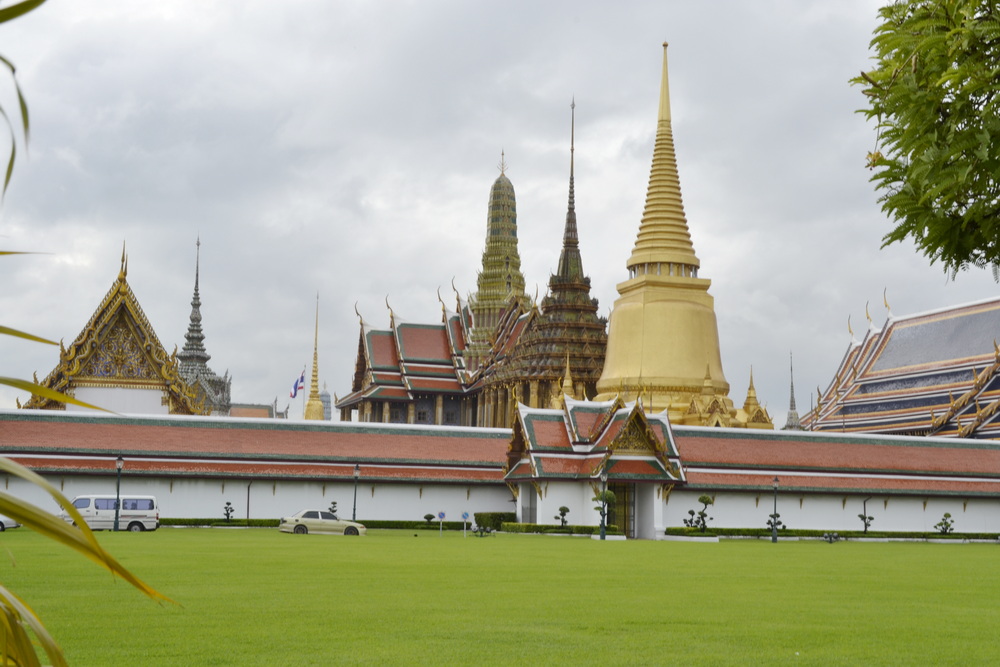
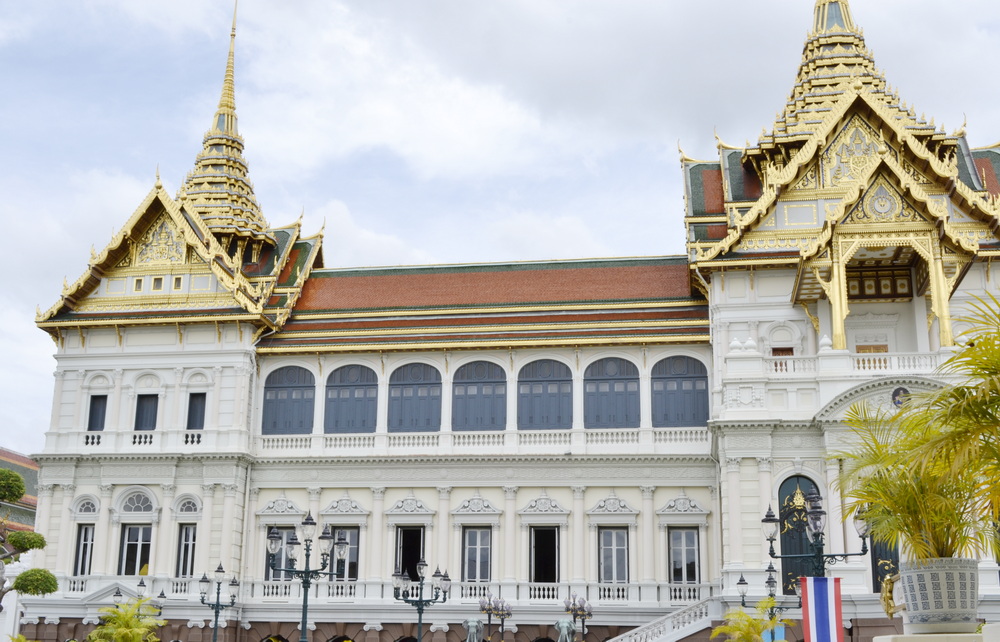

Bangkok is a city of contrasts: sacred temples stand alongside modern skyscrapers, and peaceful canals weave through lively neighborhoods.
• The Grand Palace & Wat Phra Kaew: The former royal residence and spiritual heart of Thailand. Within its grounds lies the Temple of the Emerald Buddha (Wat Phra Kaew), one of the most sacred Buddhist sites. /Map
• Wat Arun (Temple of Dawn): Located on the west bank of the Chao Phraya River, this temple is especially breathtaking at sunset when its porcelain spires glow.
• Wat Pho: Famous for its massive Reclining Buddha and as the birthplace of traditional Thai massage.
• Jim Thompson House: A museum showcasing traditional Thai architecture and the fascinating story of the American businessman who revived Thai silk.
• Lumphini Park: A green oasis in the city center, perfect for a morning stroll or picnic.
• Chinatown (Yaowarat Road): A bustling district with neon-lit streets, gold shops, and some of the city’s best street food.
For those who want to escape the bustle, a short boat ride to Bang Krachao, the city’s “Green Lung,” offers cycling paths and lush greenery.
2. Local Culture & Traditions
Bangkok reflects Thailand’s deep-rooted traditions shaped by Buddhism, monarchy, and cultural diversity.
• History: Founded in 1782 by King Rama I, Bangkok has served as the nation’s capital for over two centuries. Its cultural heritage is evident in grand palaces, temples, and museums.
• Festivals:
Songkran (Thai New Year, April) – Famous for its water fights and temple rituals.
Loy Krathong (November)—Visitors float decorated baskets on rivers to honor the water goddess.
Chinese New Year in Chinatown – A dazzling celebration with dragon dances and fireworks.• Spirituality: Over 90% of Thai people are Buddhist, and visitors often witness locals offering food and flowers to monks during their morning alms walks.
Engaging with Thai culture means respecting customs—such as removing shoes before entering temples, dressing modestly, and showing respect to images of the King.
3. Food & Dining
Bangkok is a culinary paradise, offering flavors from fiery street stalls to world-class restaurants.• Street Food: Bangkok’s streets are lined with vendors serving pad Thai, mango sticky rice, Som tam (papaya salad), grilled satay, and boat noodles. Chinatown is the ultimate destination for nighttime street food feasts.
• Traditional Dishes:
-Tom Yum Goong: Spicy shrimp soup.
-Green Curry: A creamy and aromatic dish.
-Massaman Curry: Influenced by Persian cuisine, mild and flavorful.
• Dining Recommendations:
-Jay Fai: Michelin-starred street food known for crab omelets.
-Vertigo & Moon Bar: Rooftop dining with stunning skyline views.
Don’t miss Bangkok’s floating markets (like Damnoen Saduak and Amphawa, just outside the city) for a taste of traditional Thai food culture.
4. Activities & Experiences
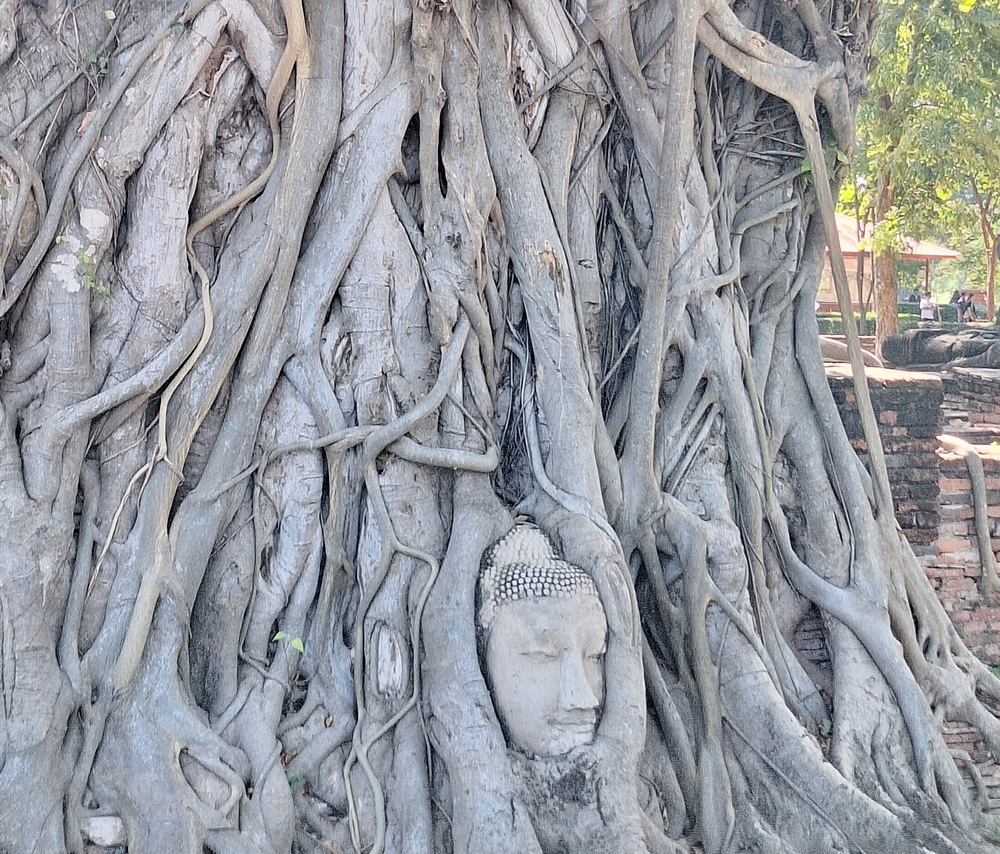
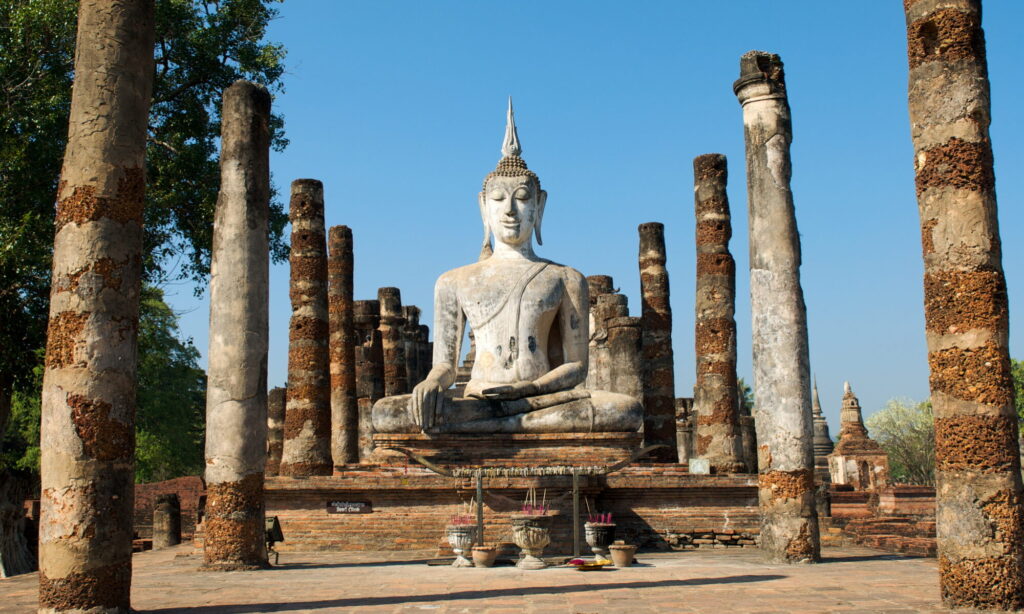
From serene boat rides to thrilling nightlife, Bangkok has something for everyone.
• River Cruises: A Chao Phraya River cruise at night offers panoramic views of illuminated temples and bridges.
• Adventure & Family Fun:
Safari World: Bangkok’s popular zoo and safari park.
Dream World: A family-friendly amusement park.
Muay Thai shows: Witness Thailand’s national sport at Rajadamnern Stadium.
• Nightlife:
Khao San Road: A backpacker’s hub full of bars and live music.
Sukhumvit: Home to stylish rooftop bars and nightclubs.
Asiatique The Riverfront: A mix of shopping, dining, and entertainment by the river.
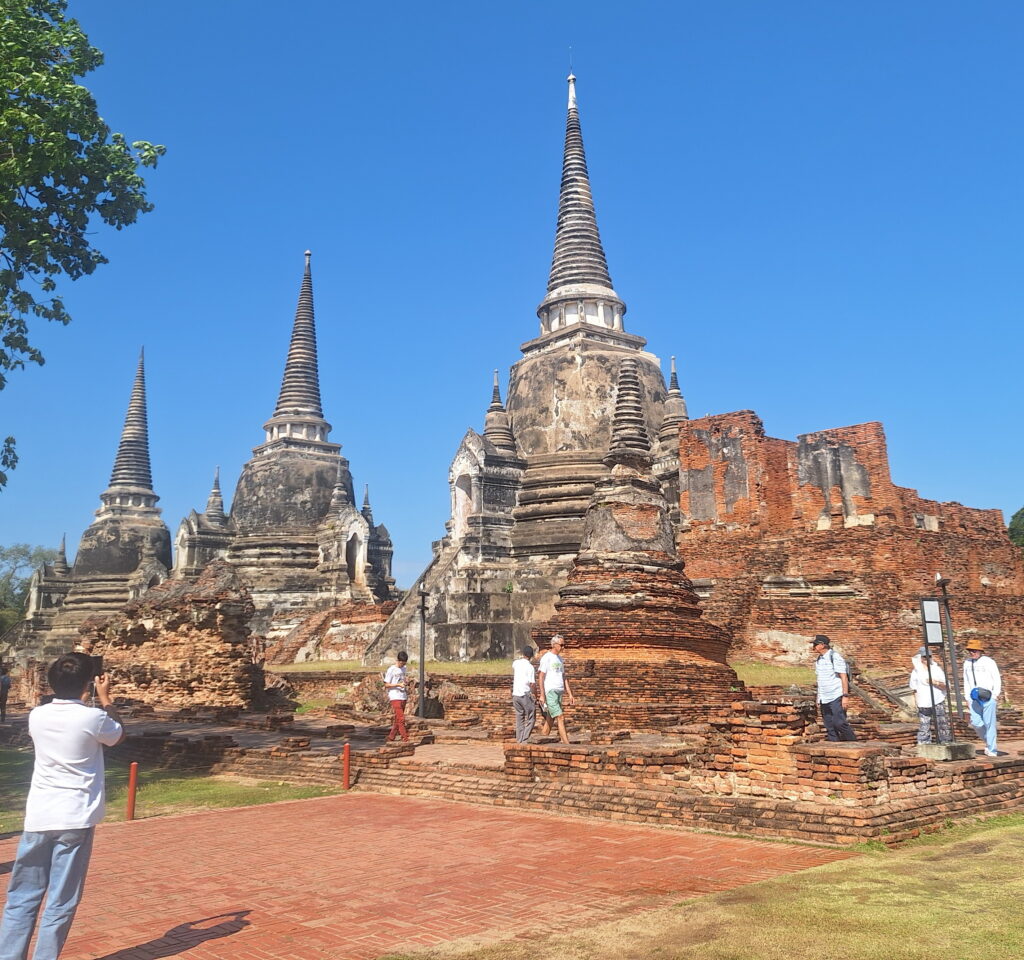
• Day Trips: Ayutthaya Historical Park, the ancient capital of Siam, is only 1.5 hours away.
5. Practical Information
• Opening Hours: Temples usually open from 8:00 AM to 6:00 PM. Shopping malls run from 10:00 AM to 10:00 PM.
• Ticket Prices:
Grand Palace – 500 THB (approx. $14).
Wat Pho – 200 THB (approx. $6).
River boat rides—from 20 THB (less than $1).
• Best Time to Visit: November to February is the cool season, ideal for sightseeing. March to May is hot, while June to October is rainy but less crowded.
• Duration: Tourists should plan 3–5 days in Bangkok to explore highlights and enjoy the culture.
6. Transportation & Accessibility
Bangkok is a major travel hub and easy to reach:
• By Air: Two airports—Suvarnabhumi International Airport (BKK) and Don Mueang International Airport (DMK)—connect Bangkok to global destinations.
• By Train: The new Krung Thep Aphiwat Central Terminal links Bangkok to other Thai cities.
• By Bus & Car: Numerous bus routes and highways connect Bangkok with northern and southern Thailand.
Getting Around the City:
• The BTS Skytrain and MRT Subway are fast and air-conditioned. List of rapid transit stations in Bangkok
• Taxis & Grab App: Convenient, but ensure meters are used.
• Tuk-tuks: Fun, but negotiate prices beforehand.
• Boats & Ferries: A scenic way to move along the Chao Phraya River.
7. Accommodation Options
Bangkok offers a wide range of stays for all budgets.
• Luxury Hotels:
-Mandarin Oriental Bangkok
-The Siam Hotel
-Banyan Tree Bangkok
• Boutique Hotels:
-Ariyasom Villa
-Hotel Muse Bangkok
8. Shopping & Souvenirs
Bangkok is a shopper’s dream:
• Markets:
–Chatuchak Weekend Market: One of the world’s largest markets with over 15,000 stalls.
-Pratunam Market: Wholesale fashion paradise.
-Floating Markets: For local handicrafts and foods.
- Shopping Malls:
-Siam Paragon and CentralWorld: Luxury and international brands.
-MBK Center: Affordable electronics and souvenirs.
-Souvenirs: Thai silk, spa products, handmade jewelry, coconut oil, and traditional snacks are among the most popular gifts.
9. Safety & Travel Tips
- Health Precautions: Stay hydrated, use sunscreen, and carry mosquito repellent.
• Scams to Avoid: Beware of drivers offering “free tours” or shops pushing overpriced gems.
• Emergency Contacts:
–Tourist Police: 1155
–General Emergency: 191 - Cultural Etiquette:
Dress modestly at temples.
–Avoid touching people’s heads—it’s considered disrespectful.
–Wai (pressing palms together) is a polite way to greet.
Bangkok is generally safe, but like any big city, travelers should remain cautious of pickpockets in crowded areas.
10. Photography & Scenic Spots
Bangkok is a photographer’s paradise with endless Instagram-worthy spots.
• Skyline Views: Rooftop bars like Sky Bar at Lebua State Tower.
• Temples: The golden spires of Wat Arun and the intricate murals at Wat Phra Kaew.
• Street Scenes: Colorful markets in Chinatown and floating markets on the canals.
• Parks & River Views: Benjakitti Park’s lake and the Chao Phraya River at sunset.
Conclusion: Why Bangkok Should Be on Your Bucket List
Bangkok is more than just a city—it’s an experience. From sacred temples and royal palaces to sizzling street food and buzzing nightlife, it offers something for every traveler. The city’s charm lies in its contrasts: old traditions blend with modern innovation, creating a destination that is both timeless and exciting. Whether you come for three days or three weeks, Bangkok will capture your heart and leave you wanting more.
So pack your bags, bring your appetite, and get ready to explore one of the world’s most captivating cities.